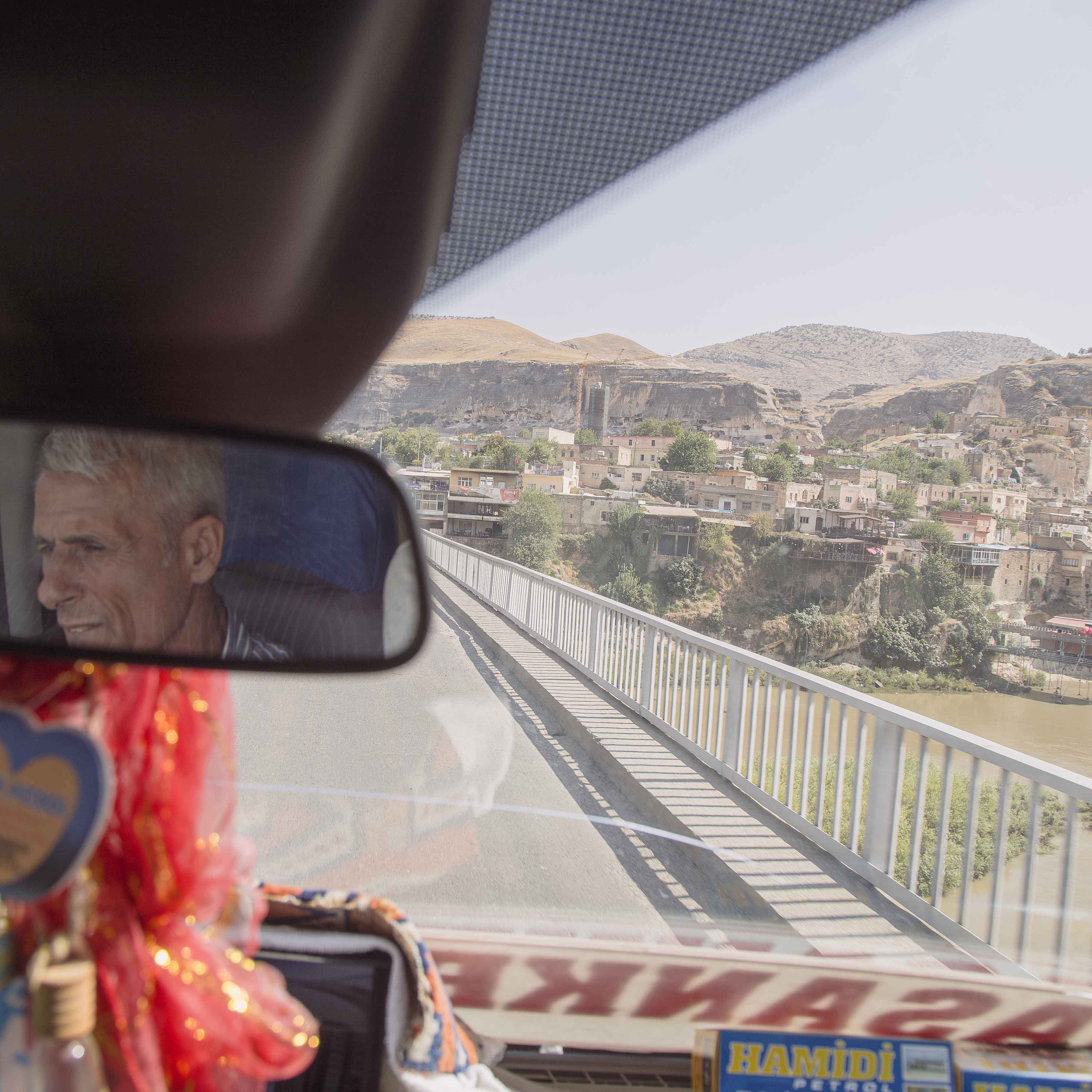
hasankeyf: 12,000 years under state waters
Hasankeyf: The Submergence of 12,000 Years of Memory Under Water
A Brief Historical Overview: The Unique History of Hasankeyf
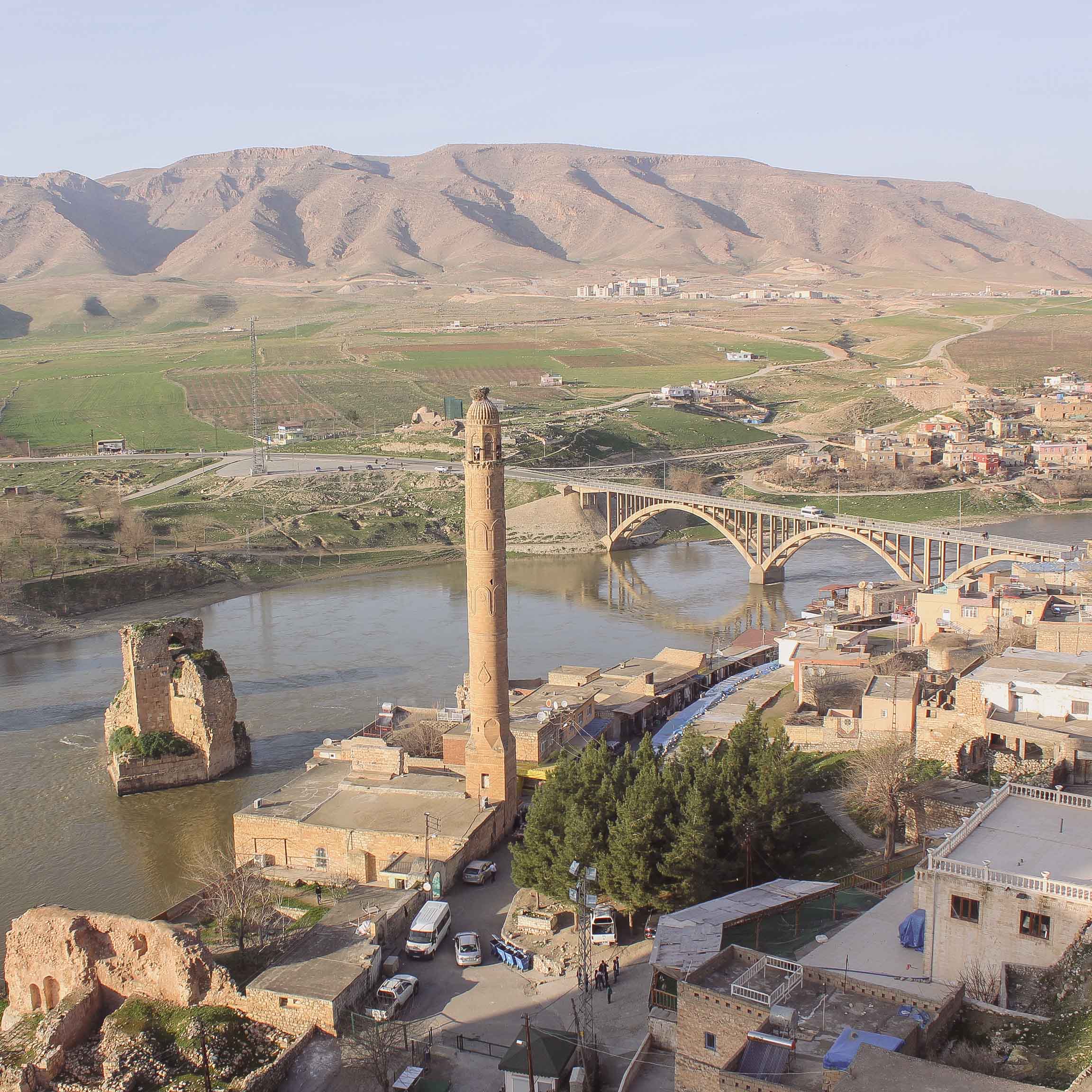
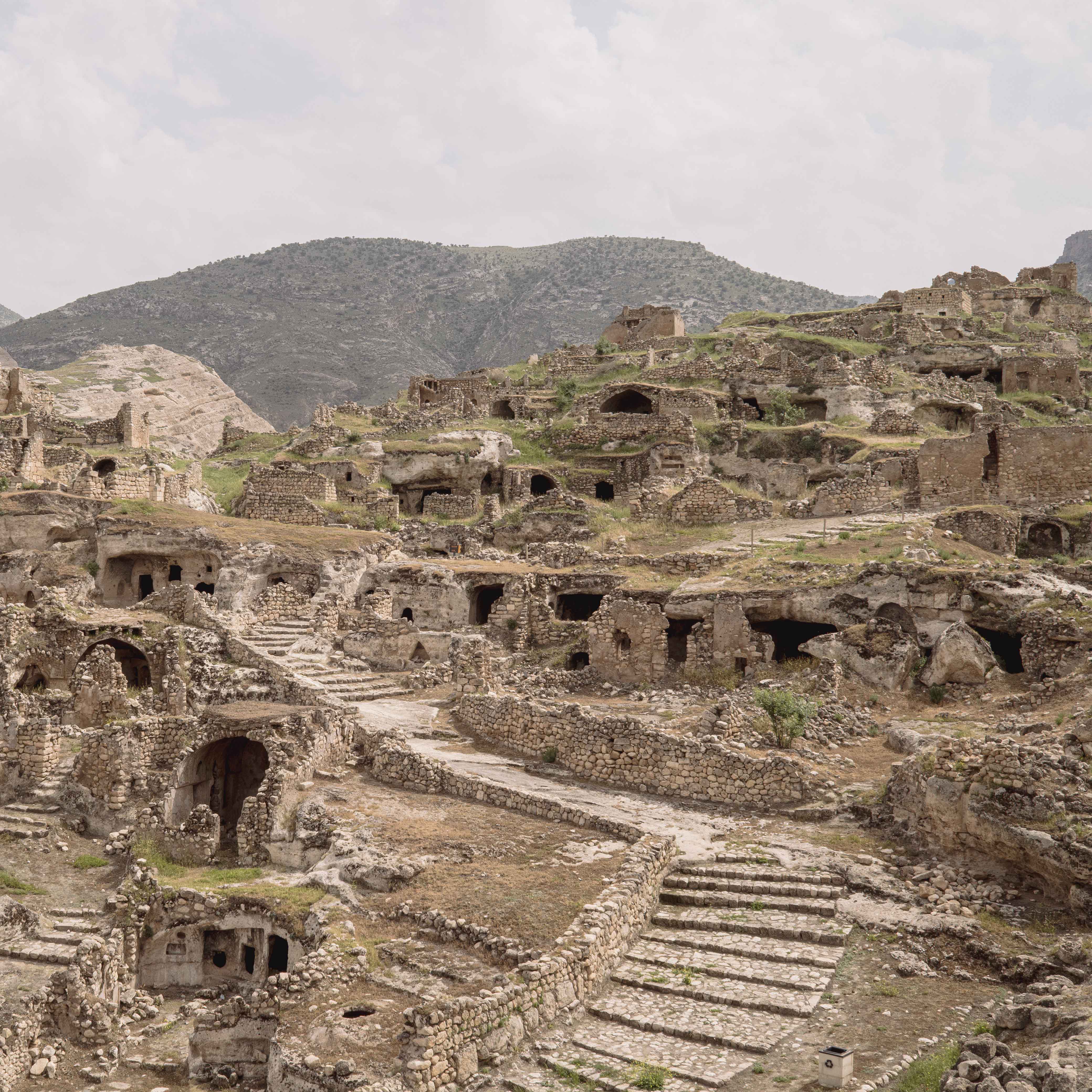
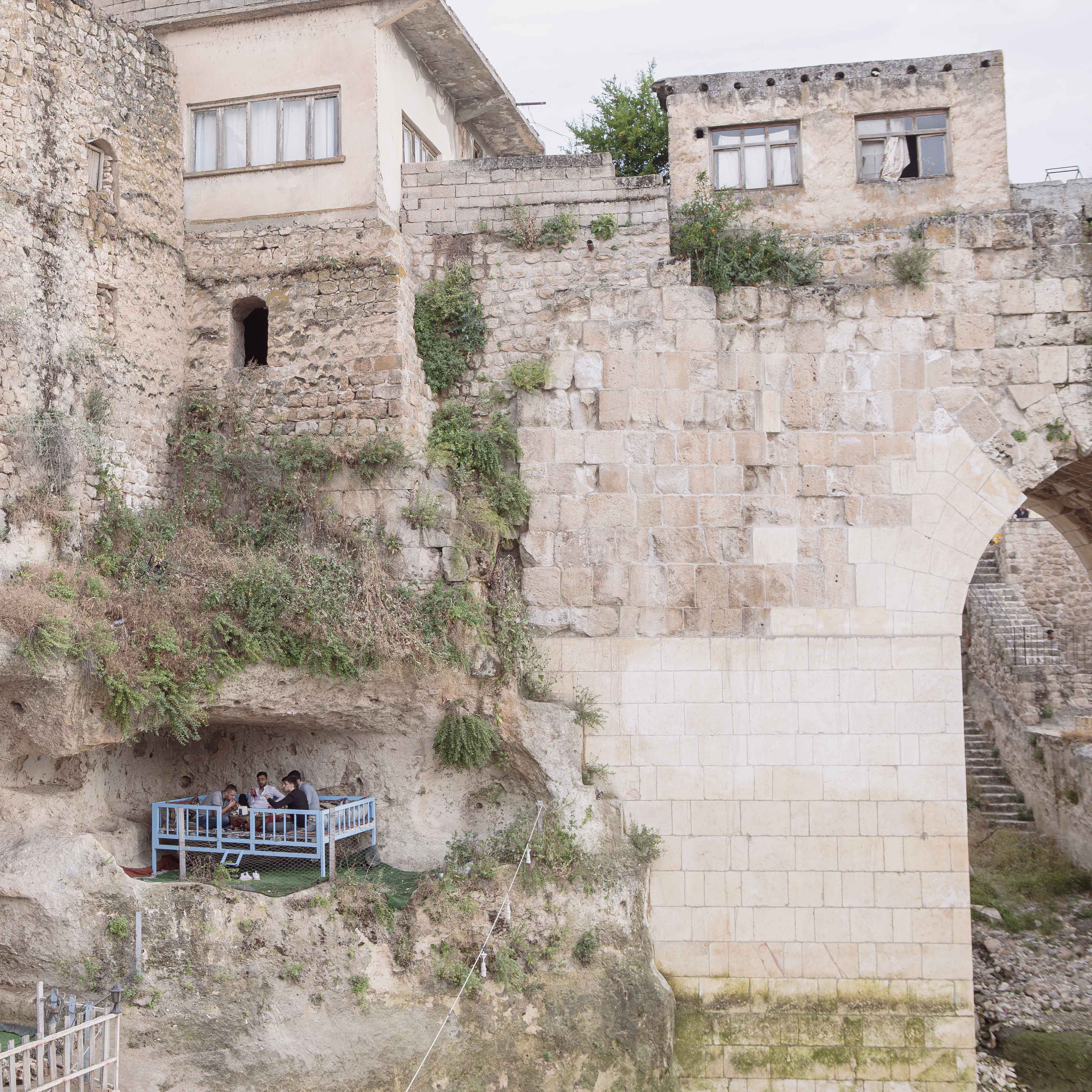
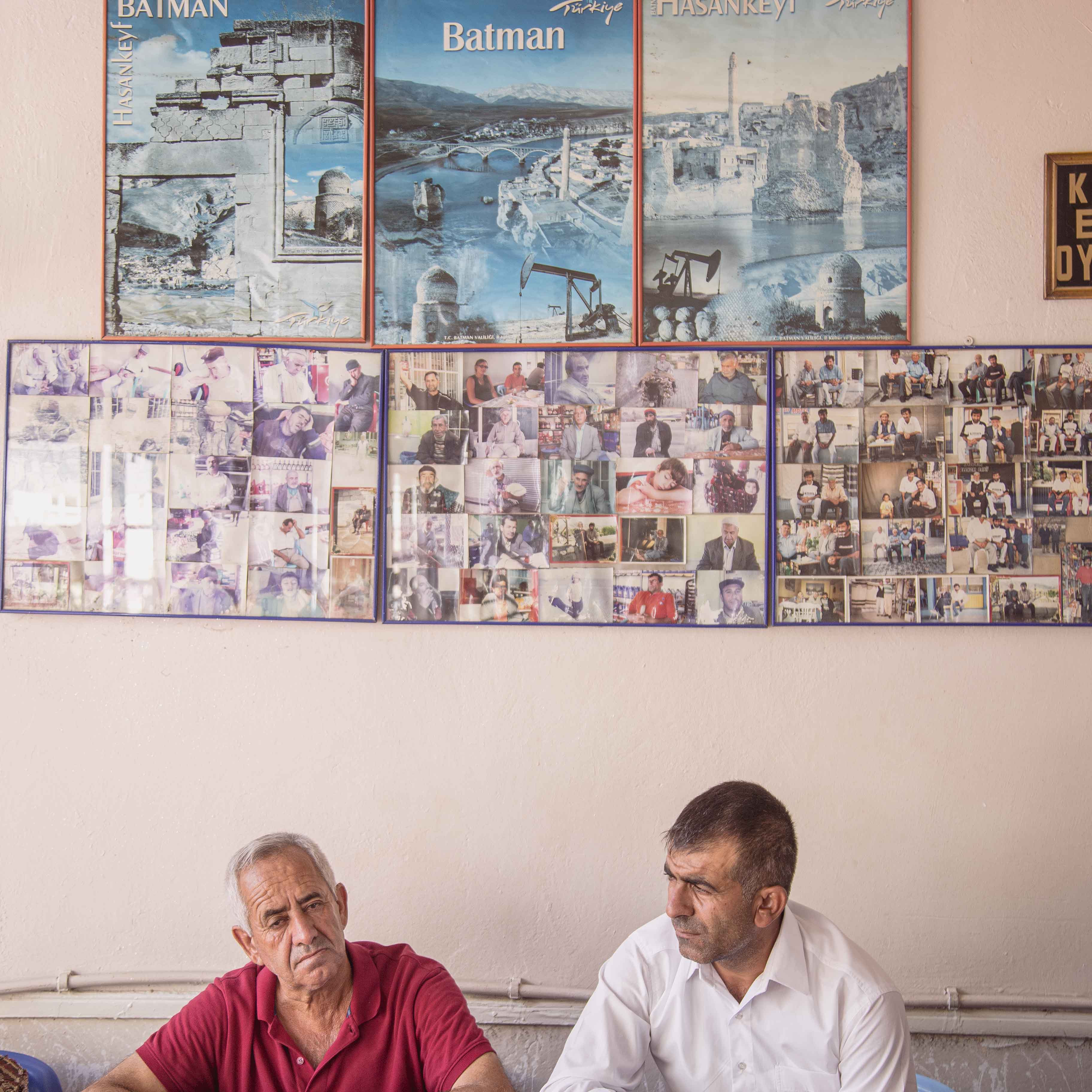
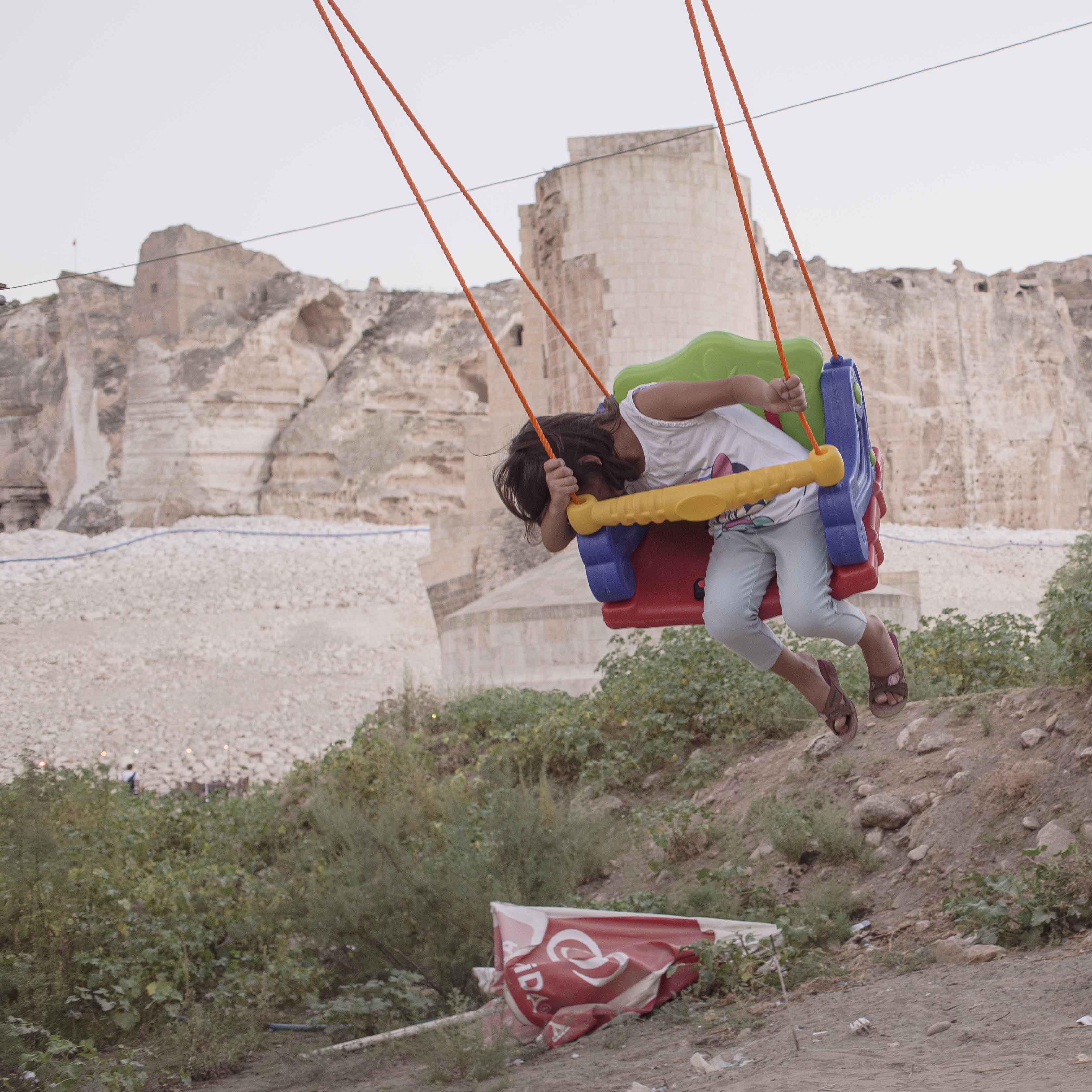
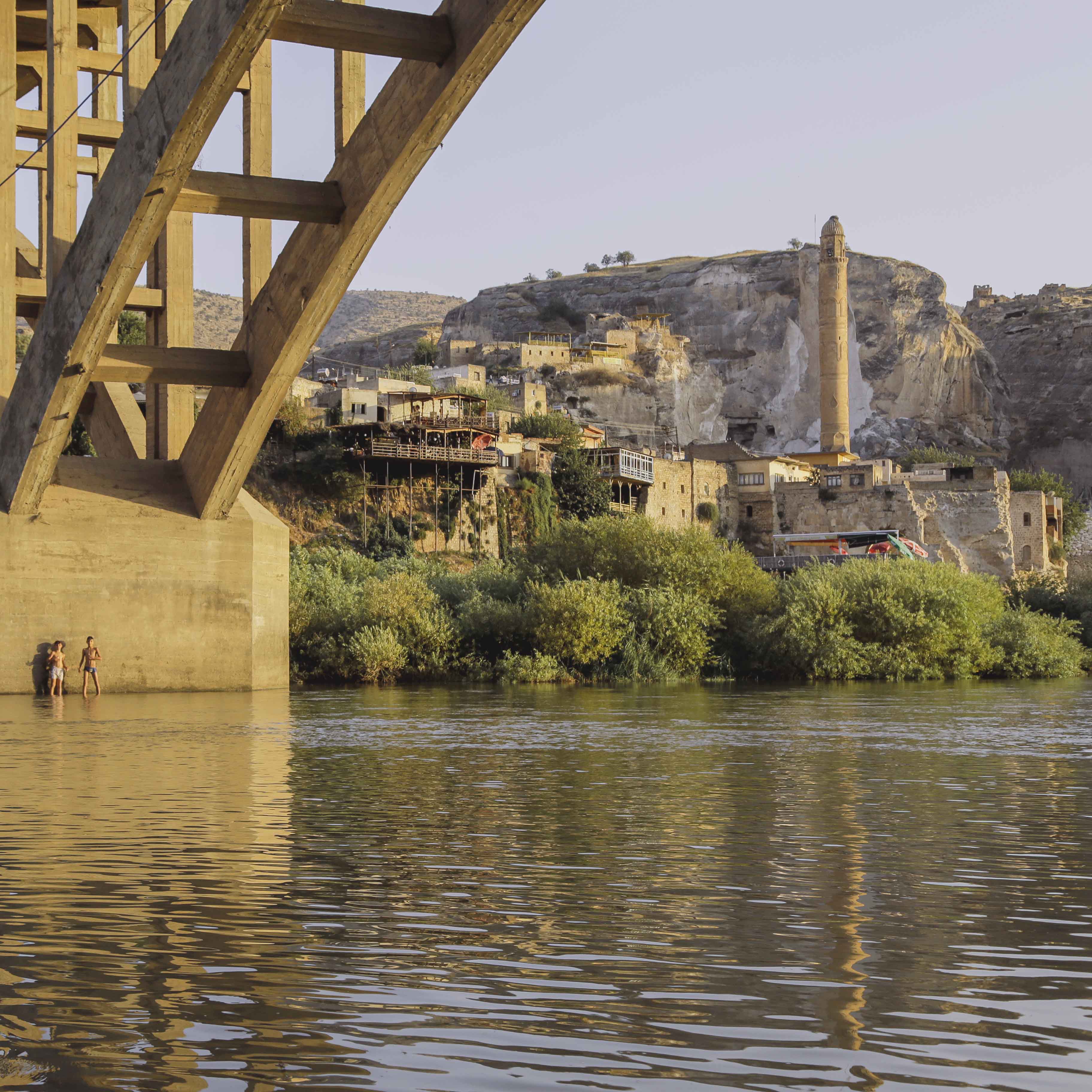
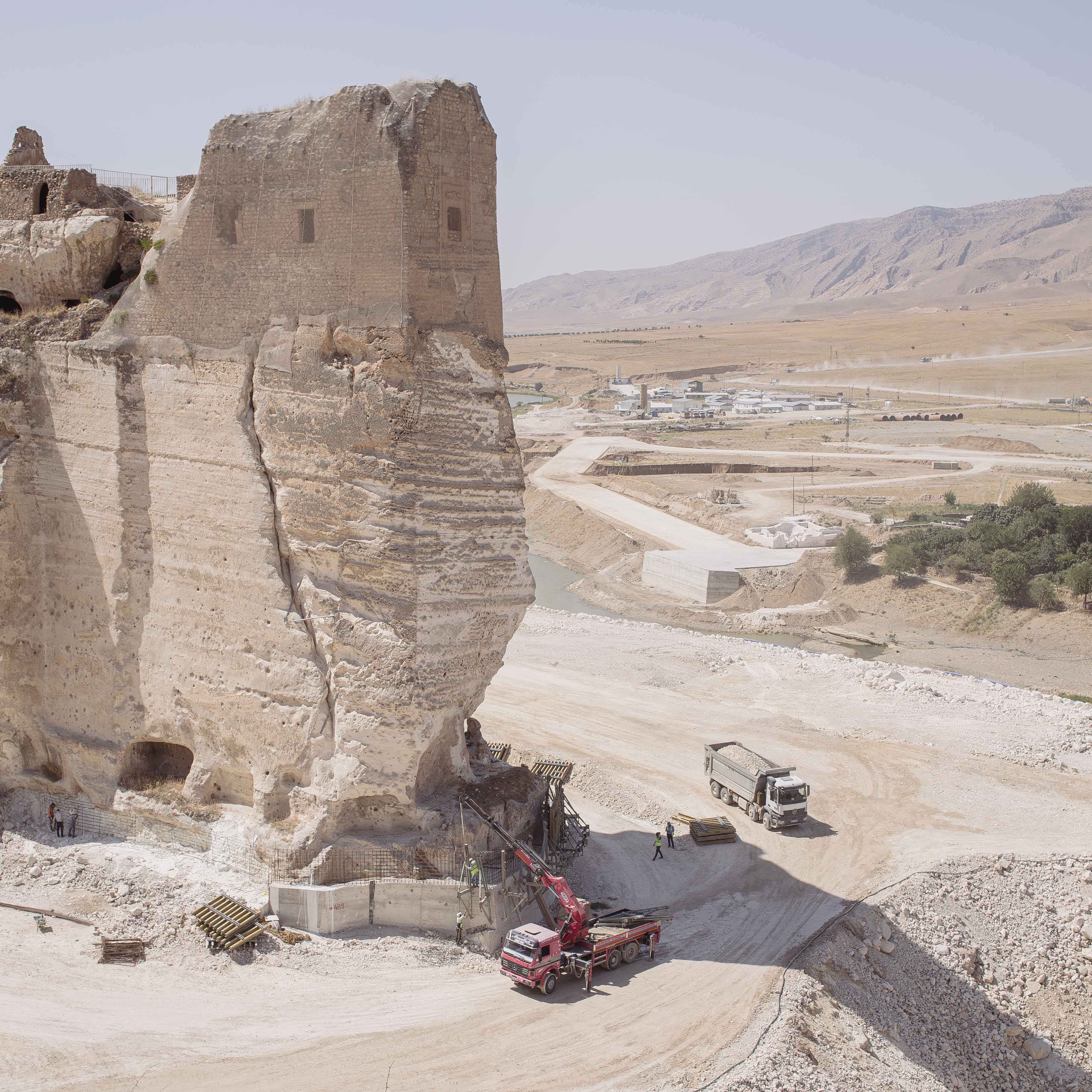
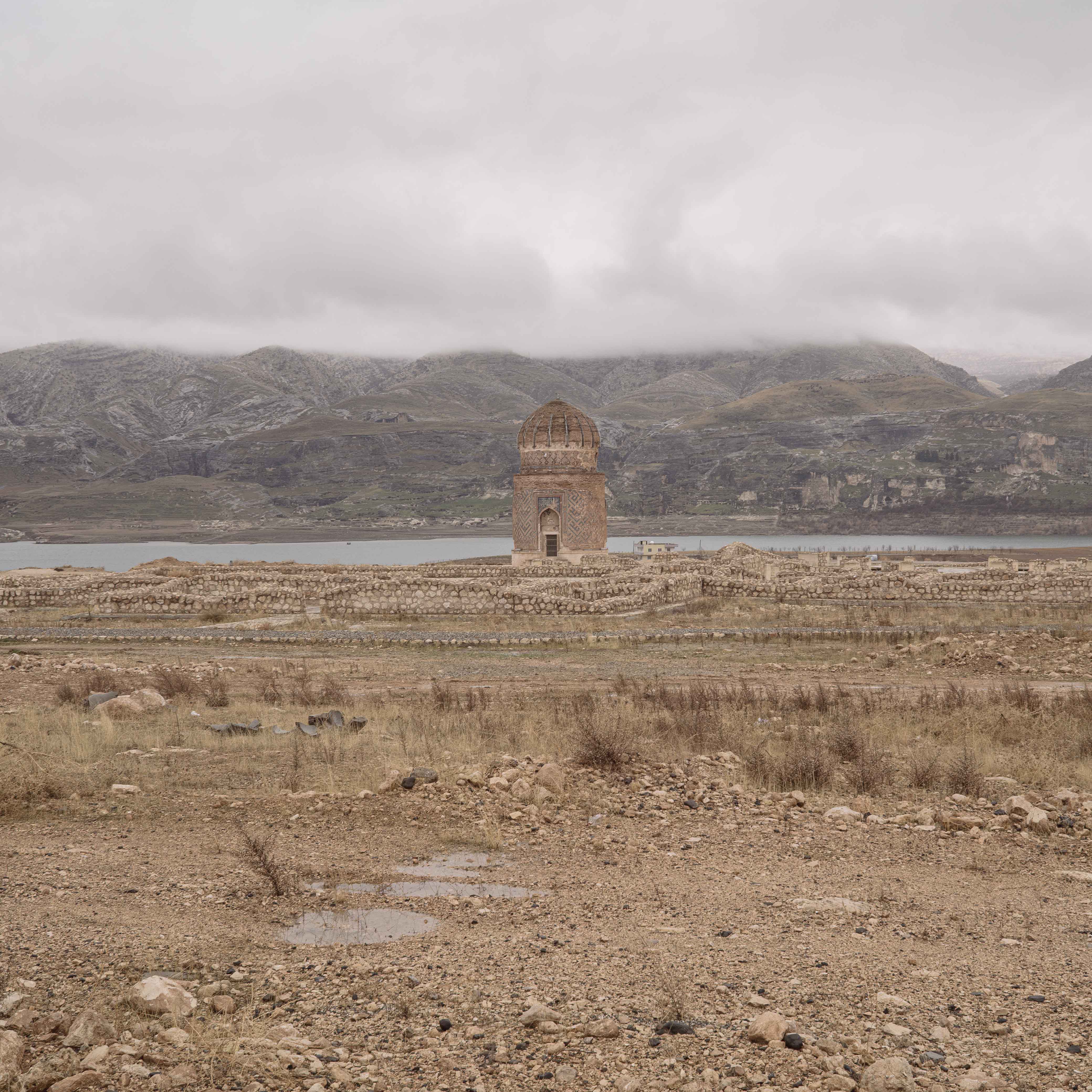
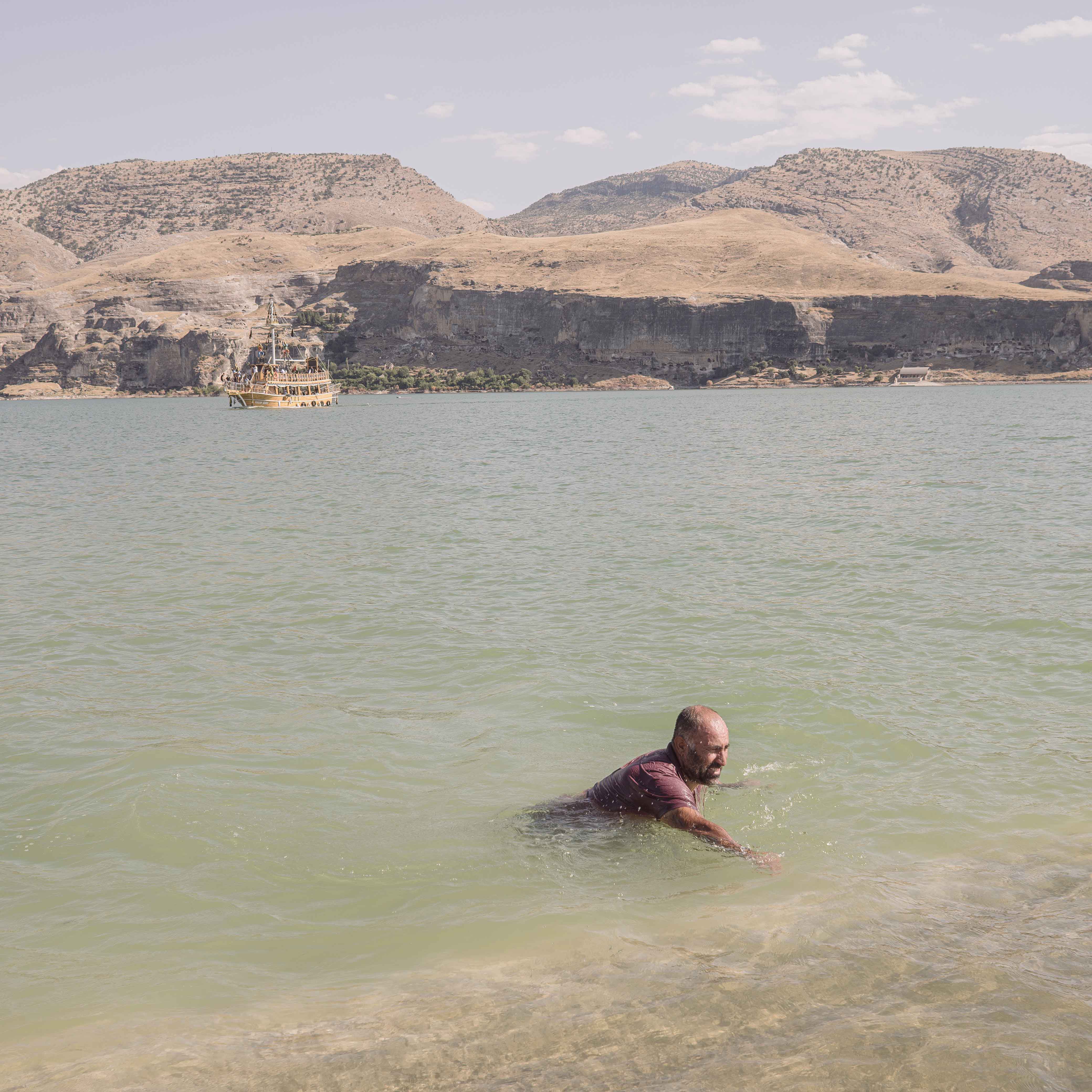
Hasankeyf was a unique historical landscape bearing the traces of twelve thousand years of continuous human habitation along the banks of the Tigris River. Thousands of caves carved into the rock, settlements from various historical periods, and numerous cultural, historical, and religious structures have elevated this site beyond an ordinary archaeological area. Bearing the marks of at least twenty-four different civilizations, Hasankeyf was one of the rare places that carried the historical continuity of Mesopotamia into the present day. Its medieval castle, the bridge from the Artuqid period, the Zeynel Bey Tomb, and numerous mounds demonstrated that this geography was not merely composed of stone and mortar, but was a living landscape of memory.
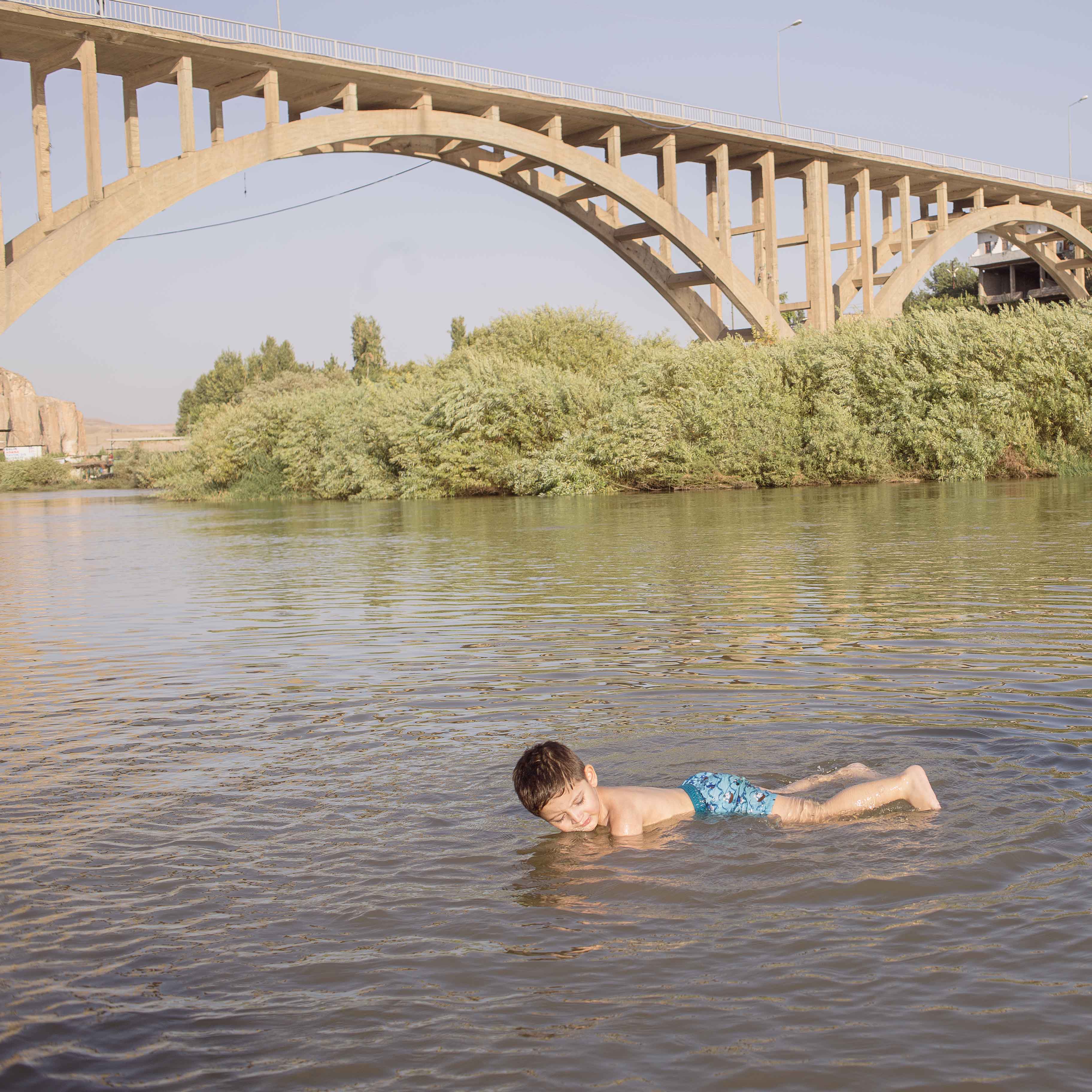
This historical accumulation had also developed in close interaction with the natural environment. Extending along the Tigris Valley, Hasankeyf was a living space shaped by biodiversity and agricultural production, where the relationship between humans and nature had been sustained for centuries. Its continuous connection with the Tigris River transformed Hasankeyf beyond the boundaries of a mere settlement, turning it into a rare spatial formation where nature, uninterrupted human habitation, and thousands of years of historical accumulation were deeply intertwined. Experts have repeatedly stated that Hasankeyf met a significant portion of UNESCO World Heritage criteria. Nevertheless, instead of treating its protection as a public and historical responsibility, the state chose through a deliberate political decision within the scope of the Ilısu Dam Project to submerge this unique heritage under water. The Ilısu Dam Project was presented as one of the large-scale “development” initiatives implemented in Kurdistan since the 1960s. This decision clearly reflected the sacrifice of historical, cultural, and ecological responsibility in favor of security-oriented and centralized state policies.
The Unfolding Destruction as Waters Rose
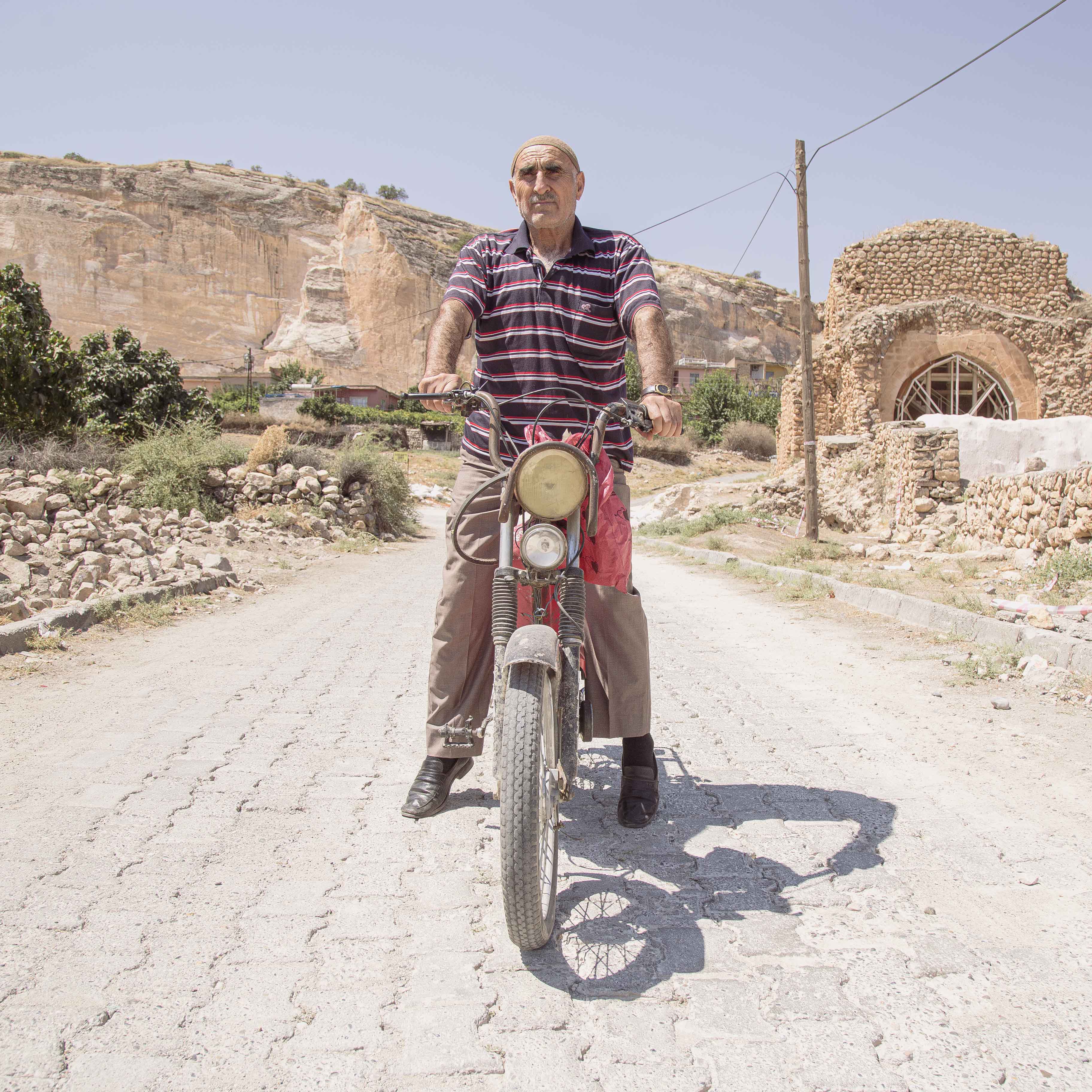
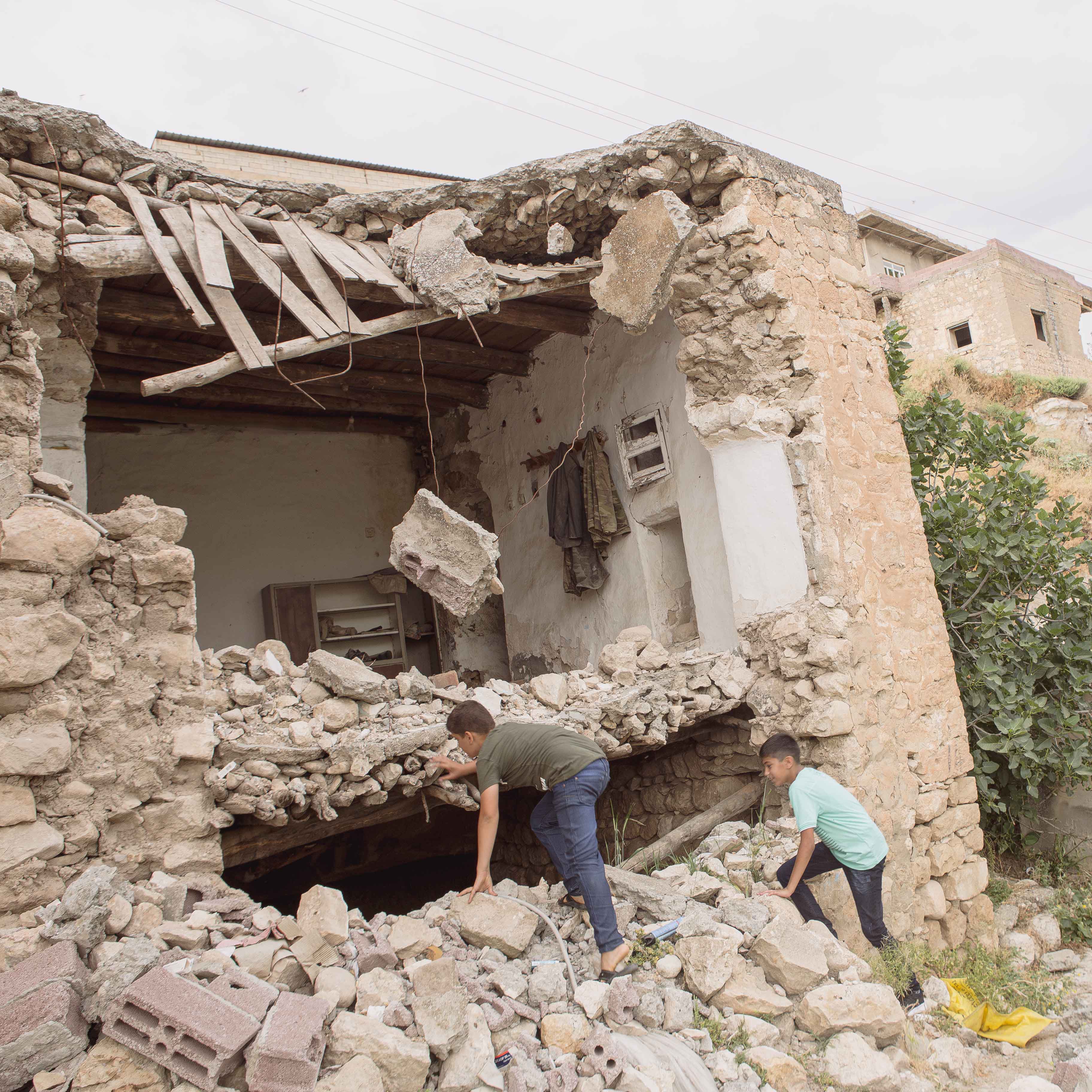
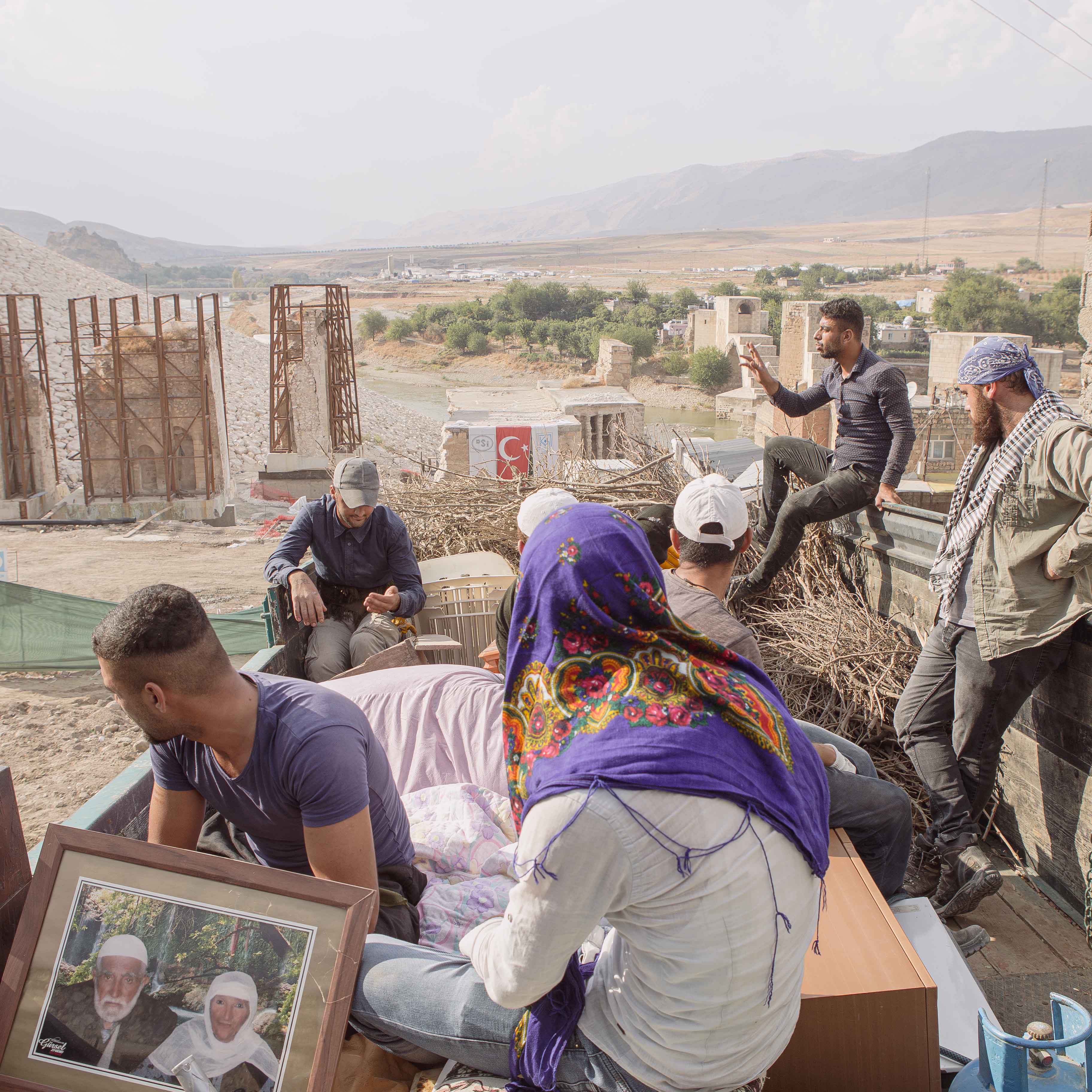
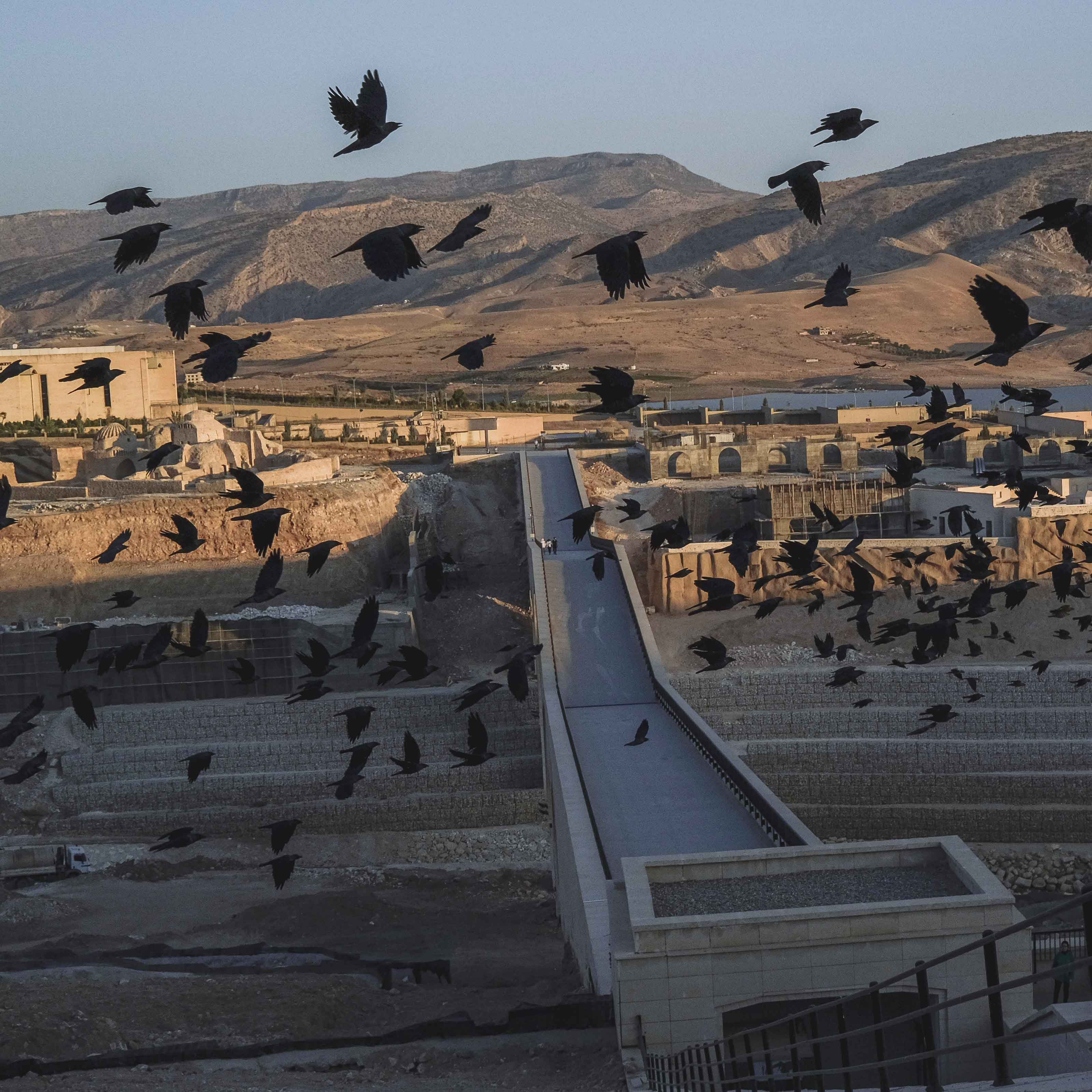
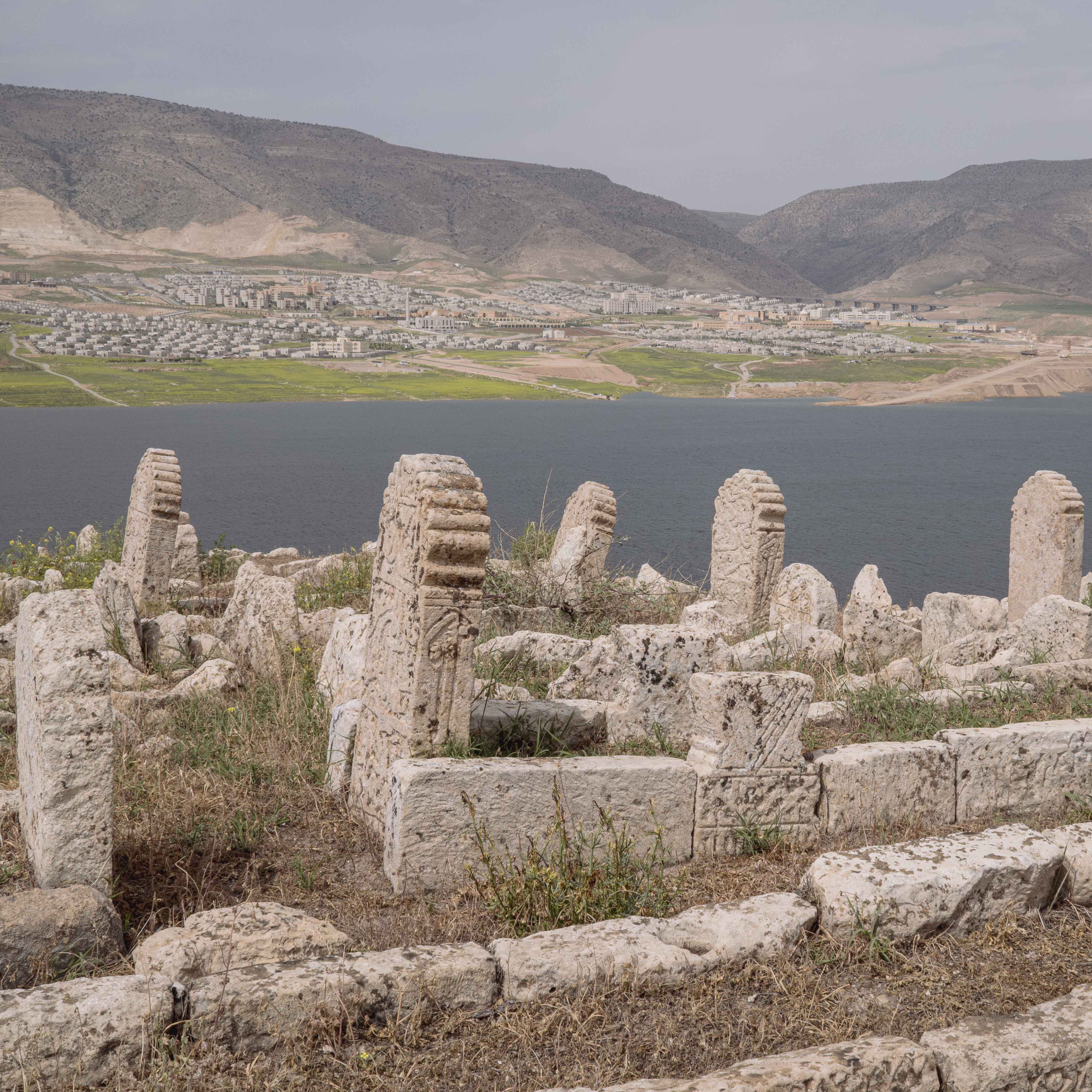
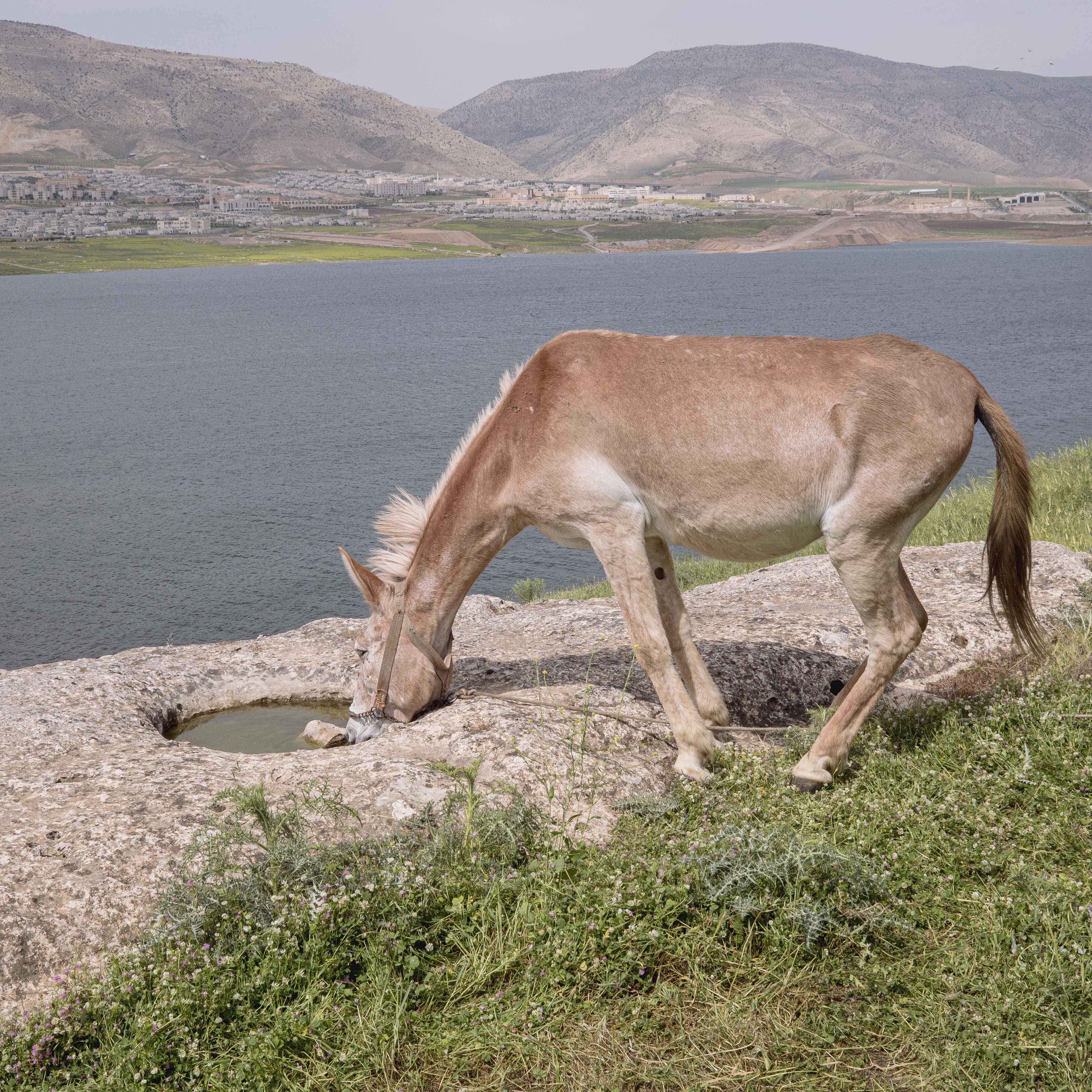
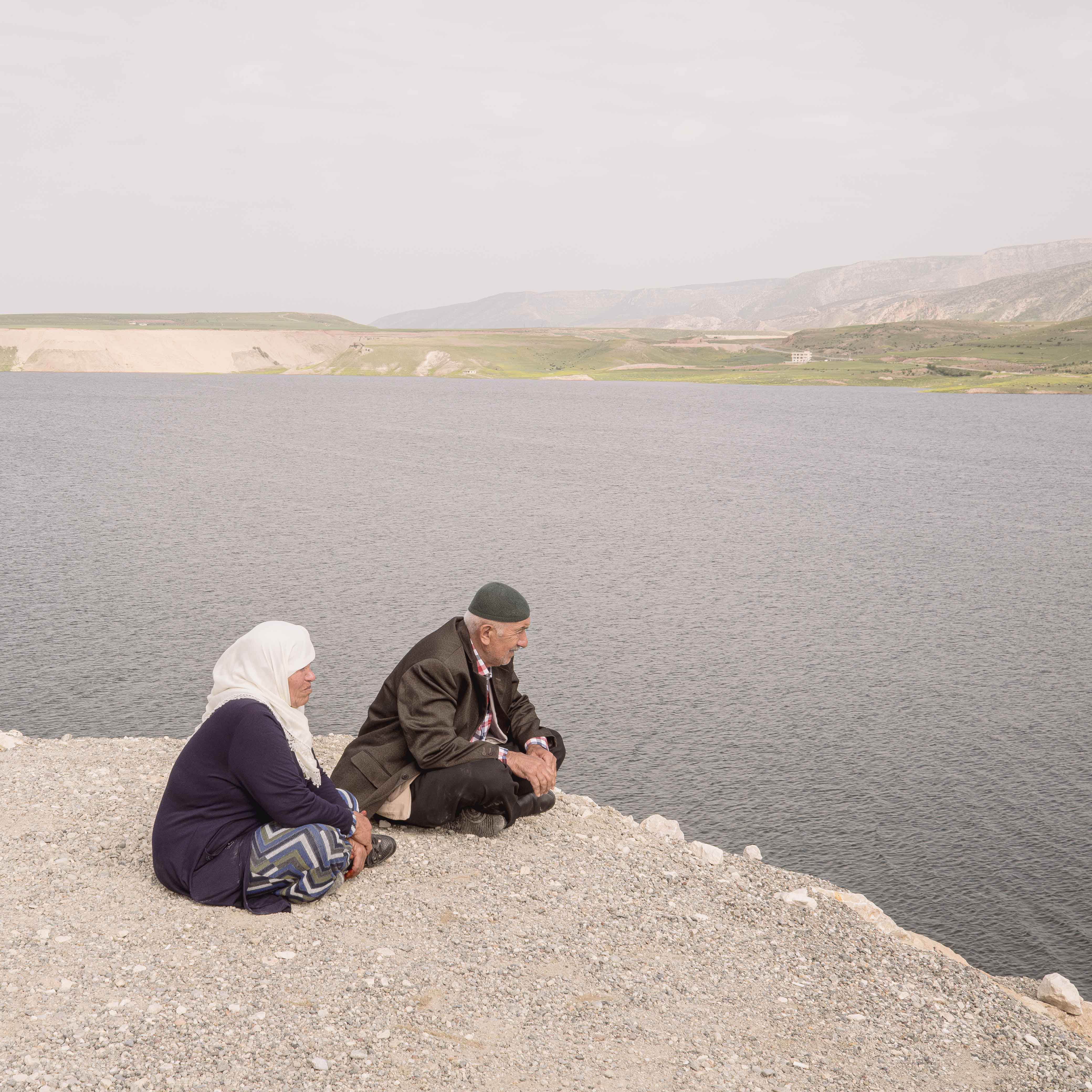
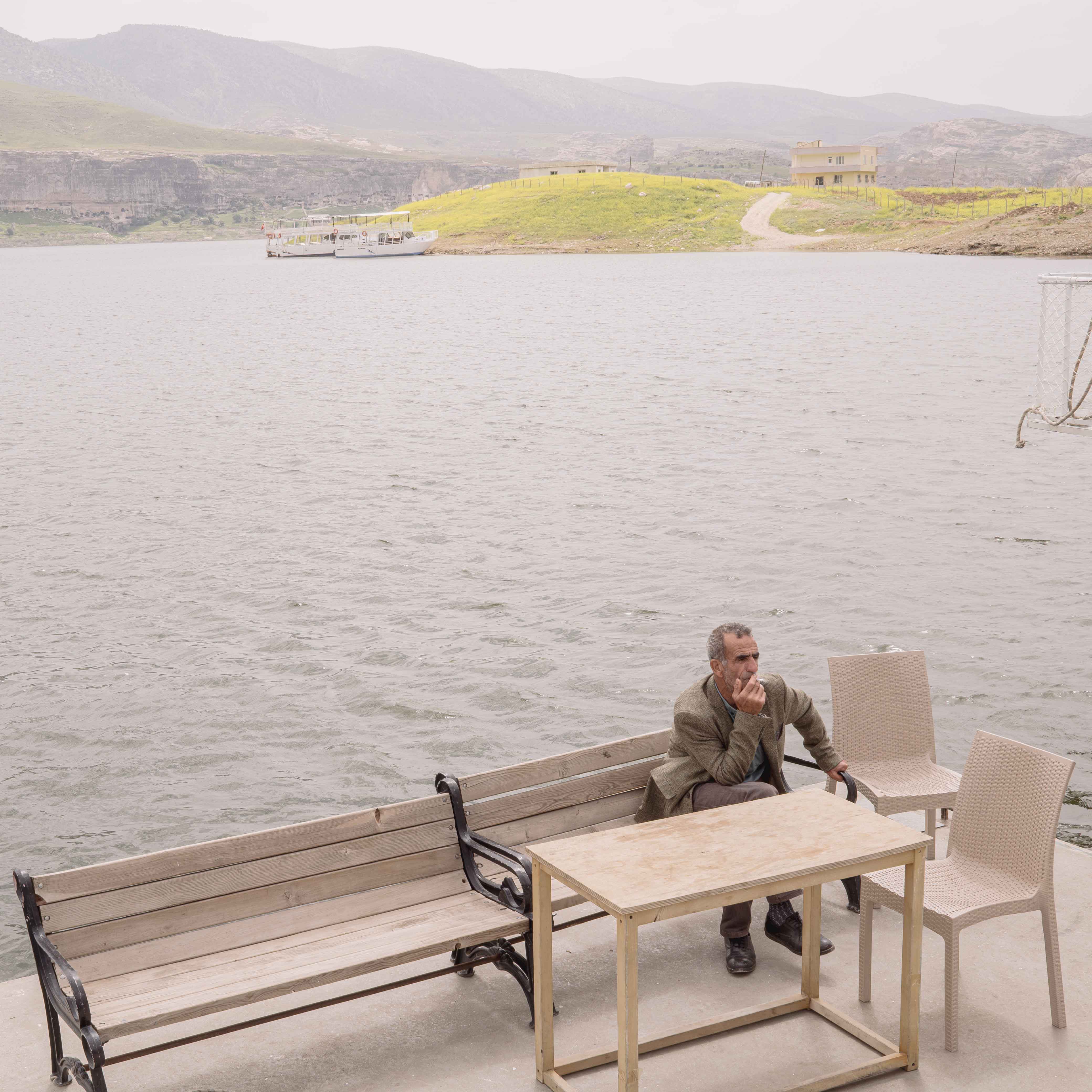
With the implementation of the dam, a multidimensional process of destruction emerged in Hasankeyf and its surroundings. Together with the district center, 199 settlements were submerged, and approximately 80,000 people were displaced. Thousands of families were forced to leave their ancestral lands, villages, and social networks. People were relocated from the valley where they had lived for generations to a concrete settlement referred to as “New Hasankeyf.” This forced displacement generated profound social trauma. Cemeteries, monumental structures, and historical buildings were relocated, memories remained incomplete, and intergenerational ties weakened. A way of life based on rural solidarity gave way to urban isolation.
The Targeting of Memory
Explaining the destruction of Hasankeyf solely through economic or technical justifications would obscure the political will, security-oriented approach, and deliberate intervention into sites of collective memory underlying this process. This process should be understood as part of long-standing policies of de-memorialization and dispossession implemented in the northern part of Mesopotamia. Since the establishment of the Republic, this geography has been subjected to assimilation and forced displacement policies. The settlements of Hasankeyf and its surroundings contained the historical traces of many peoples and cultures, including Kurds, Arabs, Syriacs, and Yazidis. With the construction of the dam, these cultural ties were severed. The destruction of villages, hamlets, and cemeteries aimed to fragment the relationship between people and place.
Instead of a Conclusion
The story of Hasankeyf carries a meaning far beyond the loss of an ancient city. It demonstrates how memory, life, and nature were sought to be erased through security-oriented political strategies. This destruction, concealed behind narratives of progress and development, has created an irreparable rupture in humanity’s shared history. Yet memory, life, and culture cannot be entirely eradicated. Those who lived in Hasankeyf, those who defended it, and those who witnessed its destruction continue to carry this memory forward. The history submerged beneath the waters persists in narratives, acts of resistance, collective memory, social space, artistic production, and visual documentation. The struggle for Hasankeyf was a struggle for truth. Even if this truth was intended to be buried under water, it continues to exist in conscience, in collective memory, in the streets, in artistic expressions, and in images. For this reason, Hasankeyf continues to ask: Have those who submerged a twelve-thousand-year history under water truly been able to erase its truth?
article: agit özdemir (initiative to keep hasankeyf alive)