familiar route, vanished place
on 6 february 2023, two earthquakes of magnitudes 7.8 and 7.6, centered in kahramanmaraş, struck eleven provinces in turkey. according to official figures, at least 53,537 people lost their lives, and hundreds of thousands of housing units were destroyed or severely damaged. approximately 14 million people were directly affected; millions faced an acute shelter crisis, and at least 5 million were forced to leave their homes.
hatay was among the provinces most severely impacted by the disaster. official records indicate that 24,147 people died in the province, while 80,323 buildings were either destroyed or heavily damaged. historically, a border city where diverse faiths, ethnic communities, and cultural traditions have coexisted, hatay’s demographic composition includes arab alawites, sunni arabs, turks, kurds, armenians, and small christian communities. mosques, churches, and synagogues coexist within the same urban fabric. this multilayered structure is reflected not only in religious diversity but also in culinary traditions, language, everyday practices, and strong neighborhood relations. the earthquake profoundly affected the neighborhoods and public spaces that formed the spatial foundation of this historical and cultural continuity.
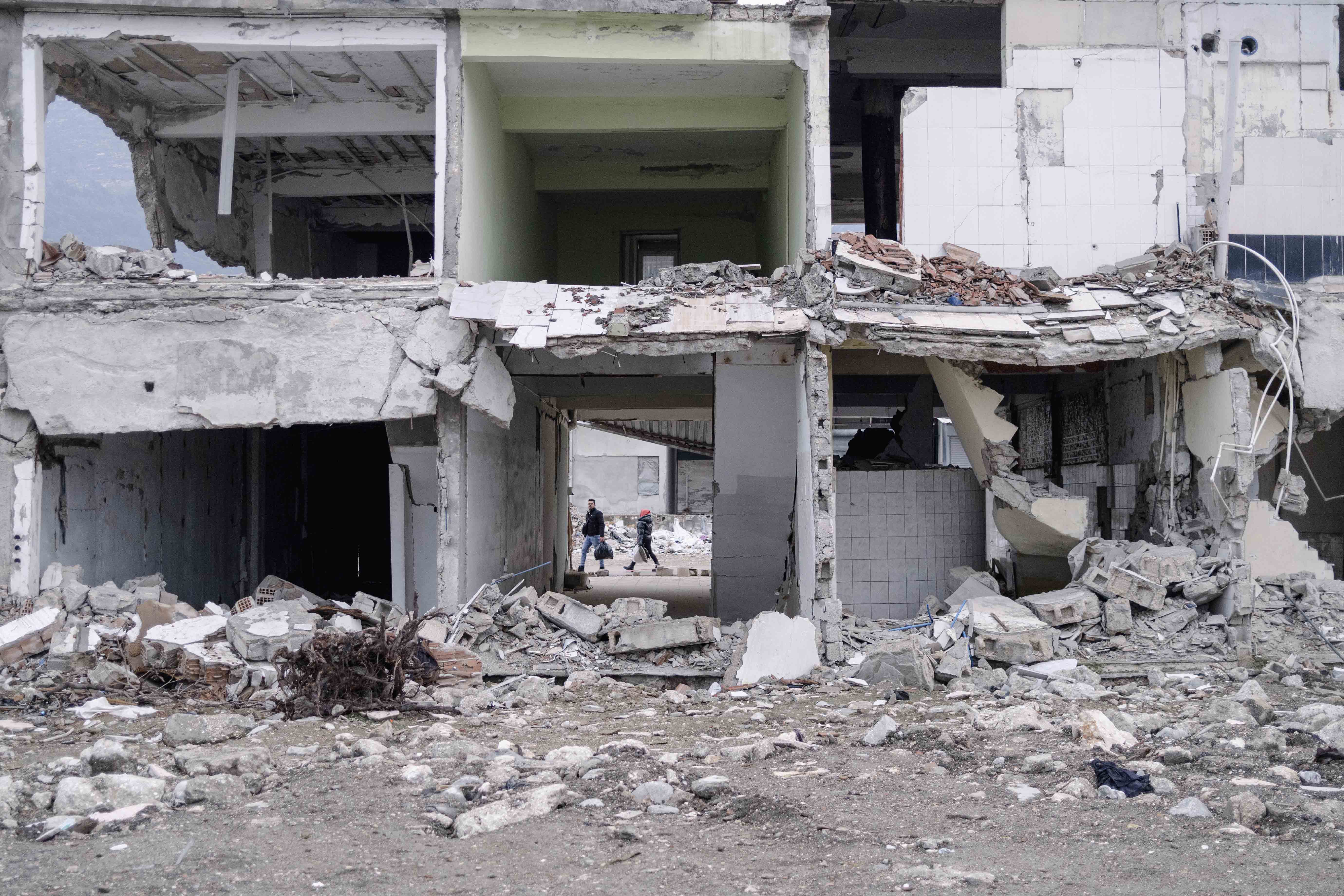
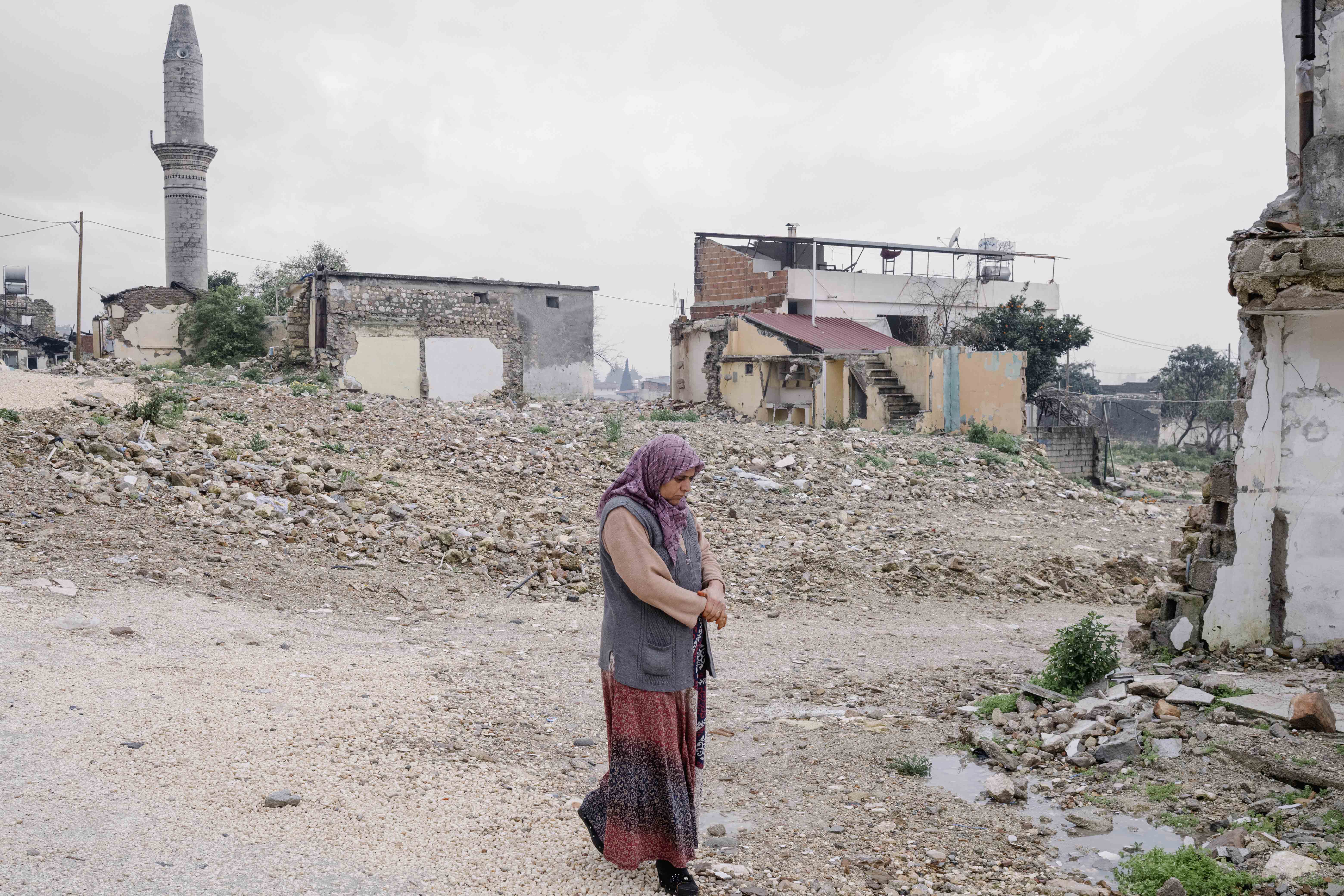
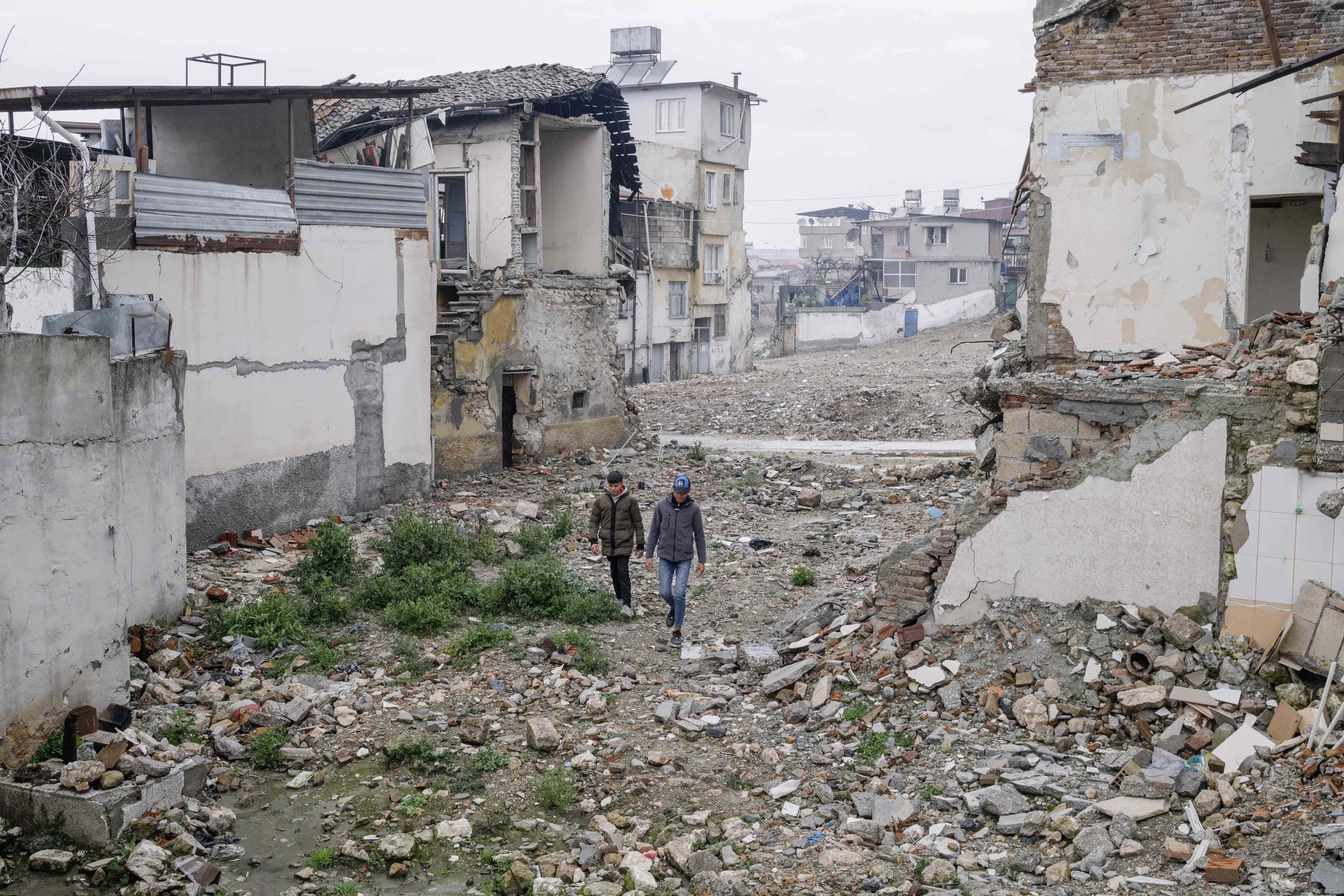
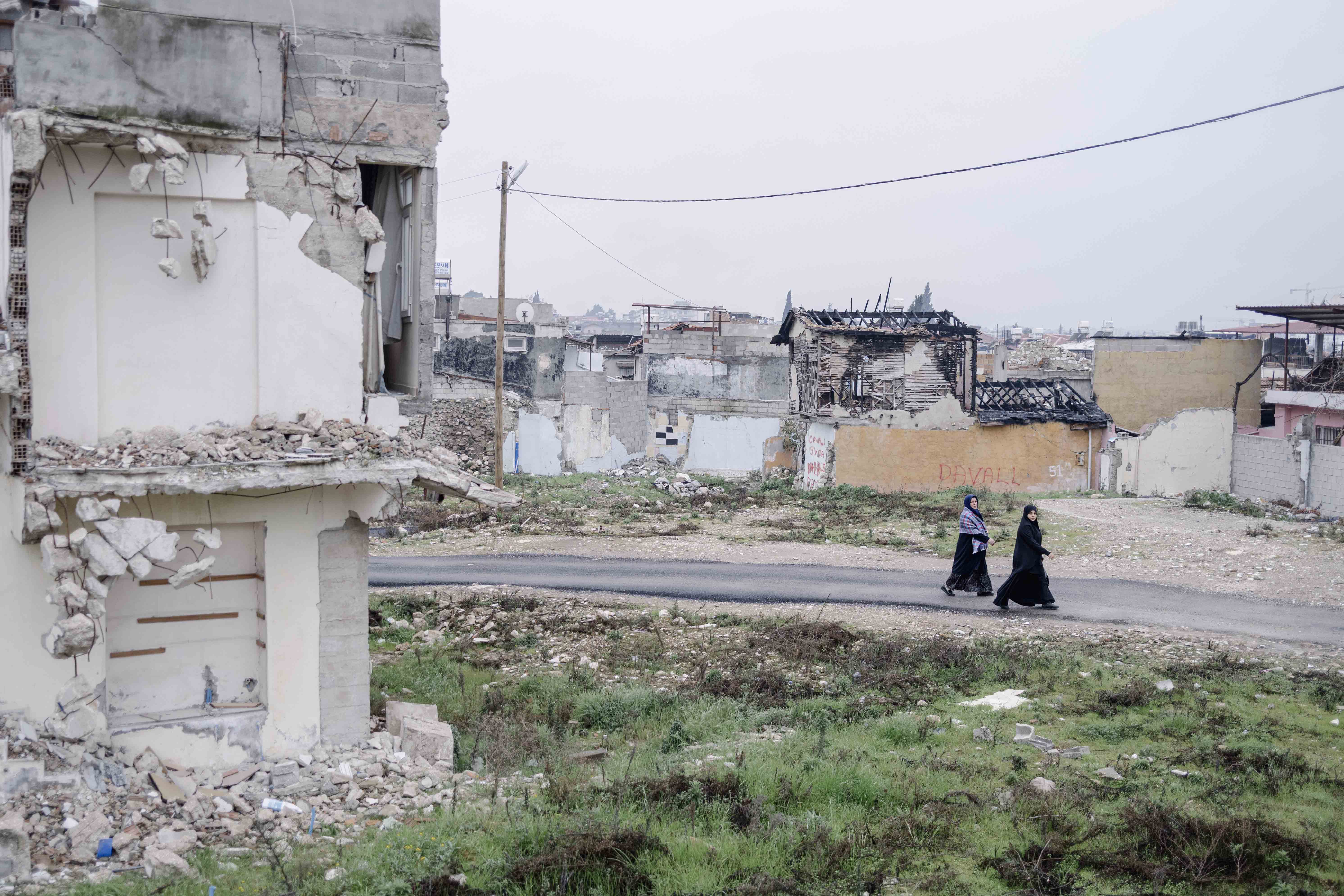
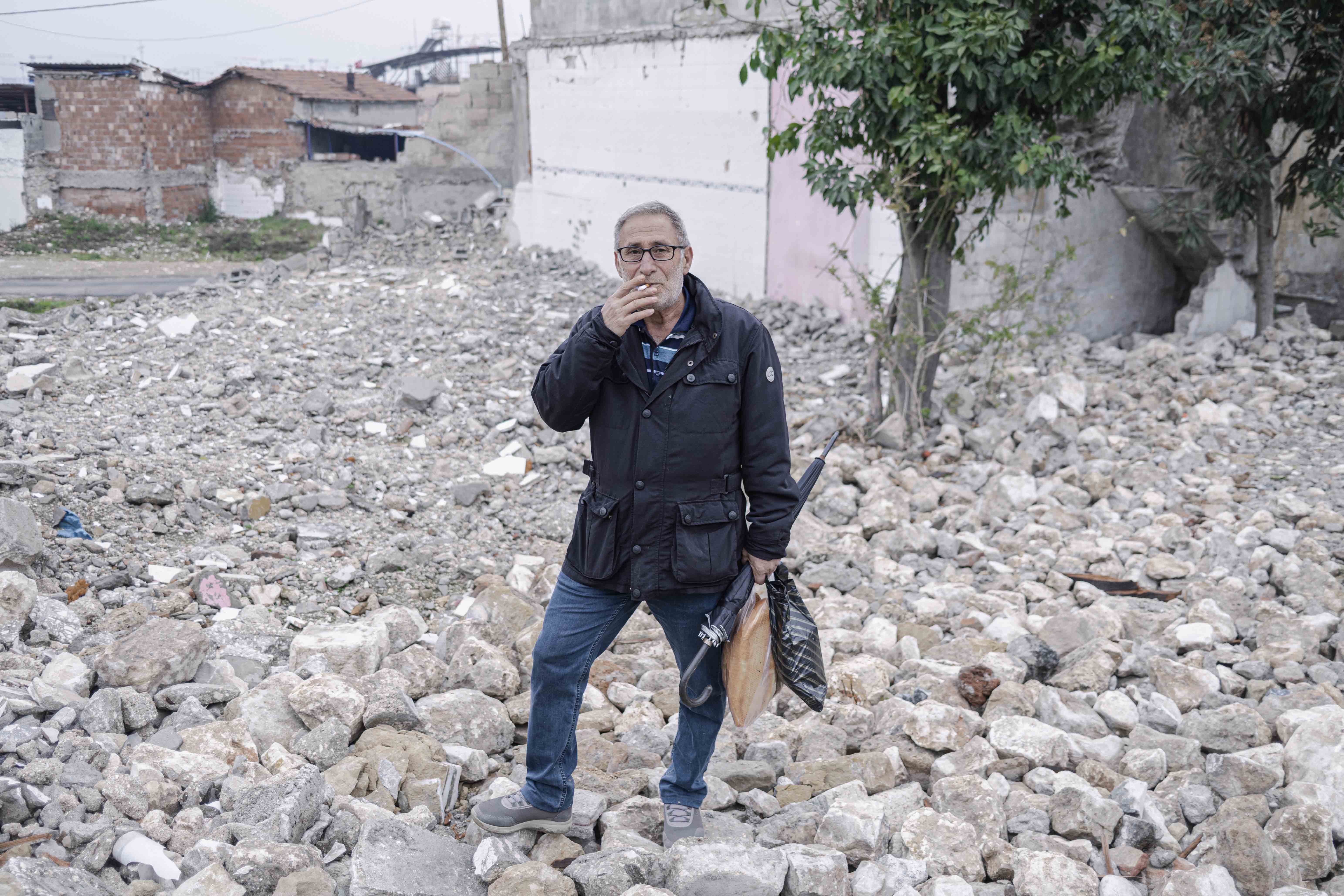
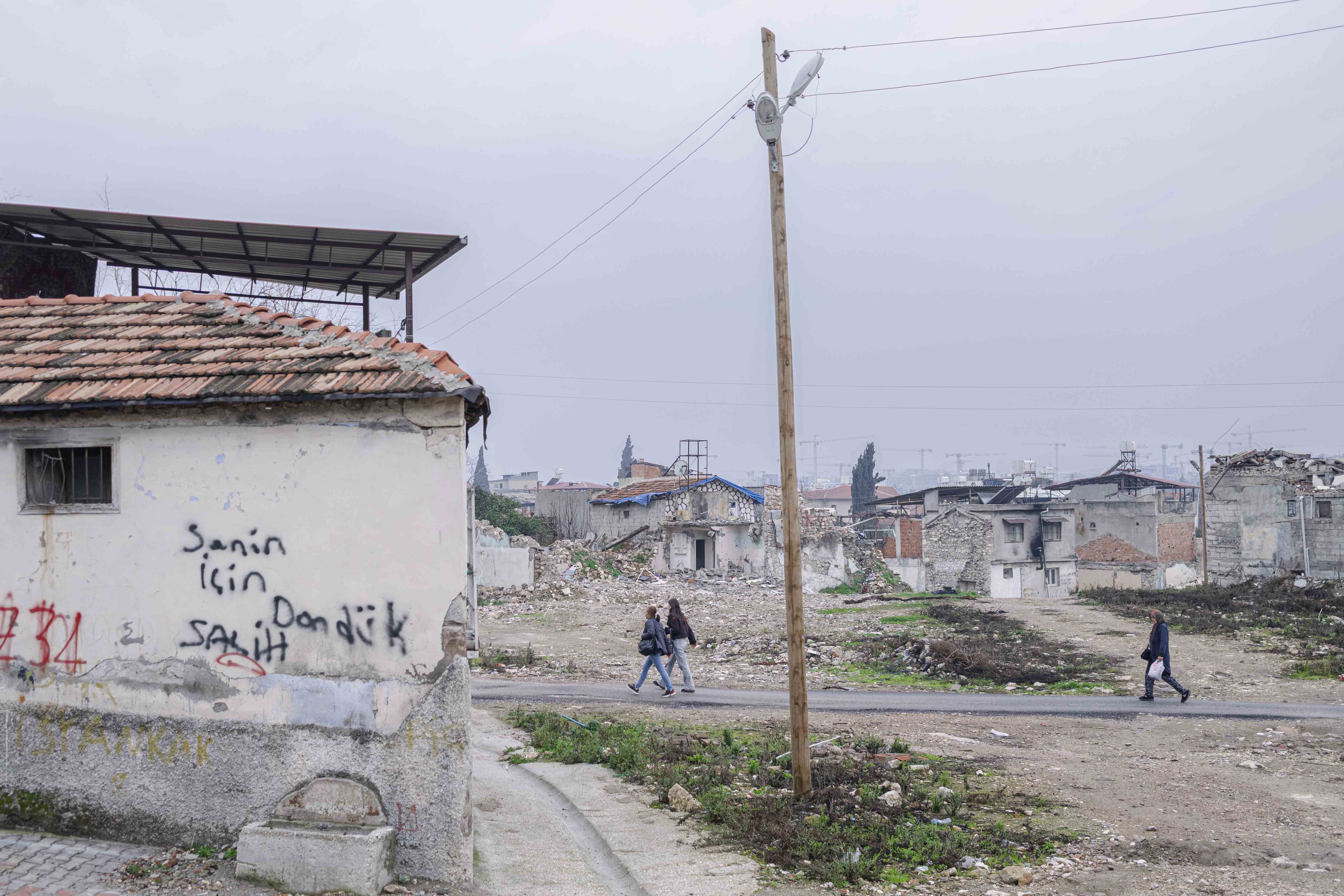
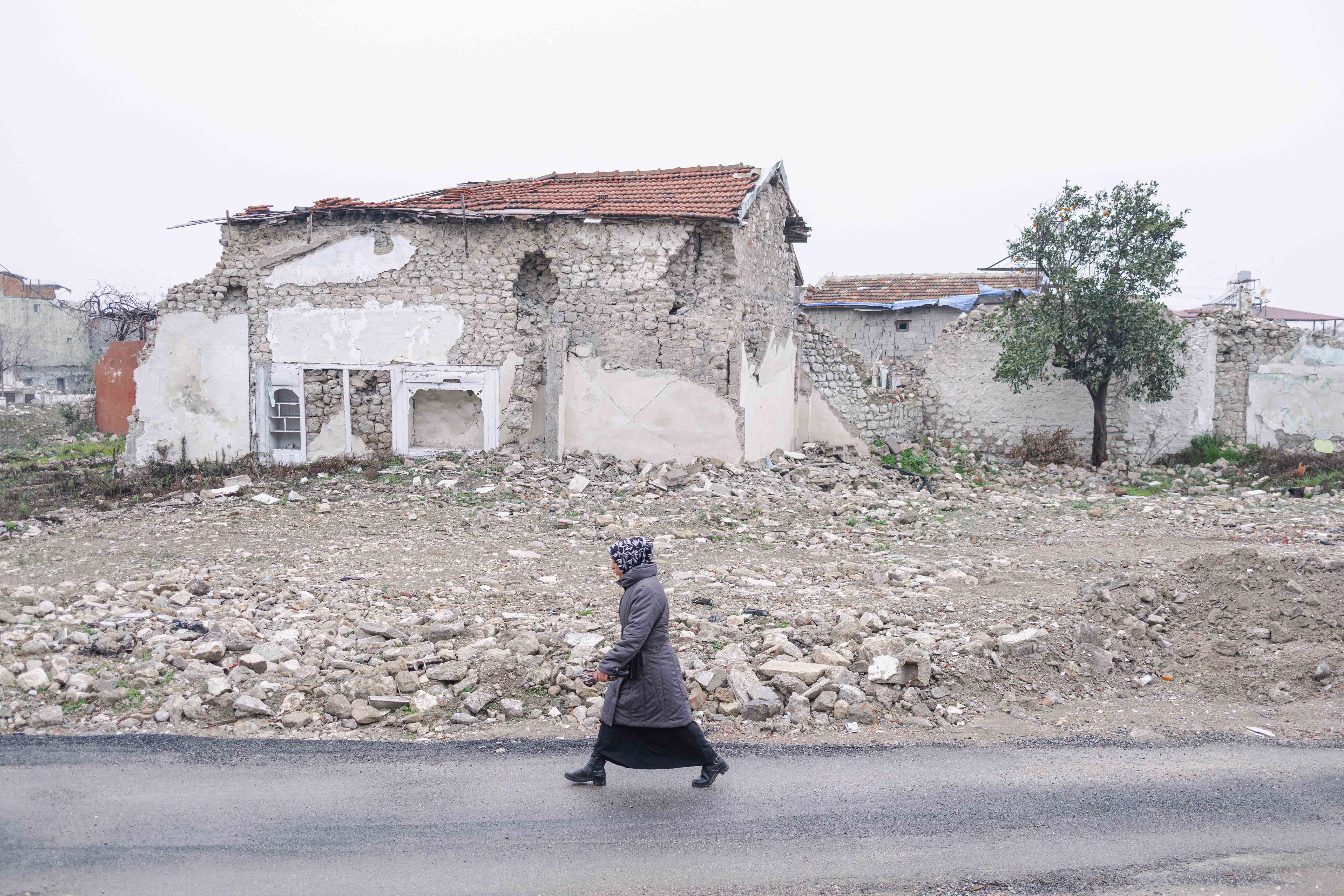
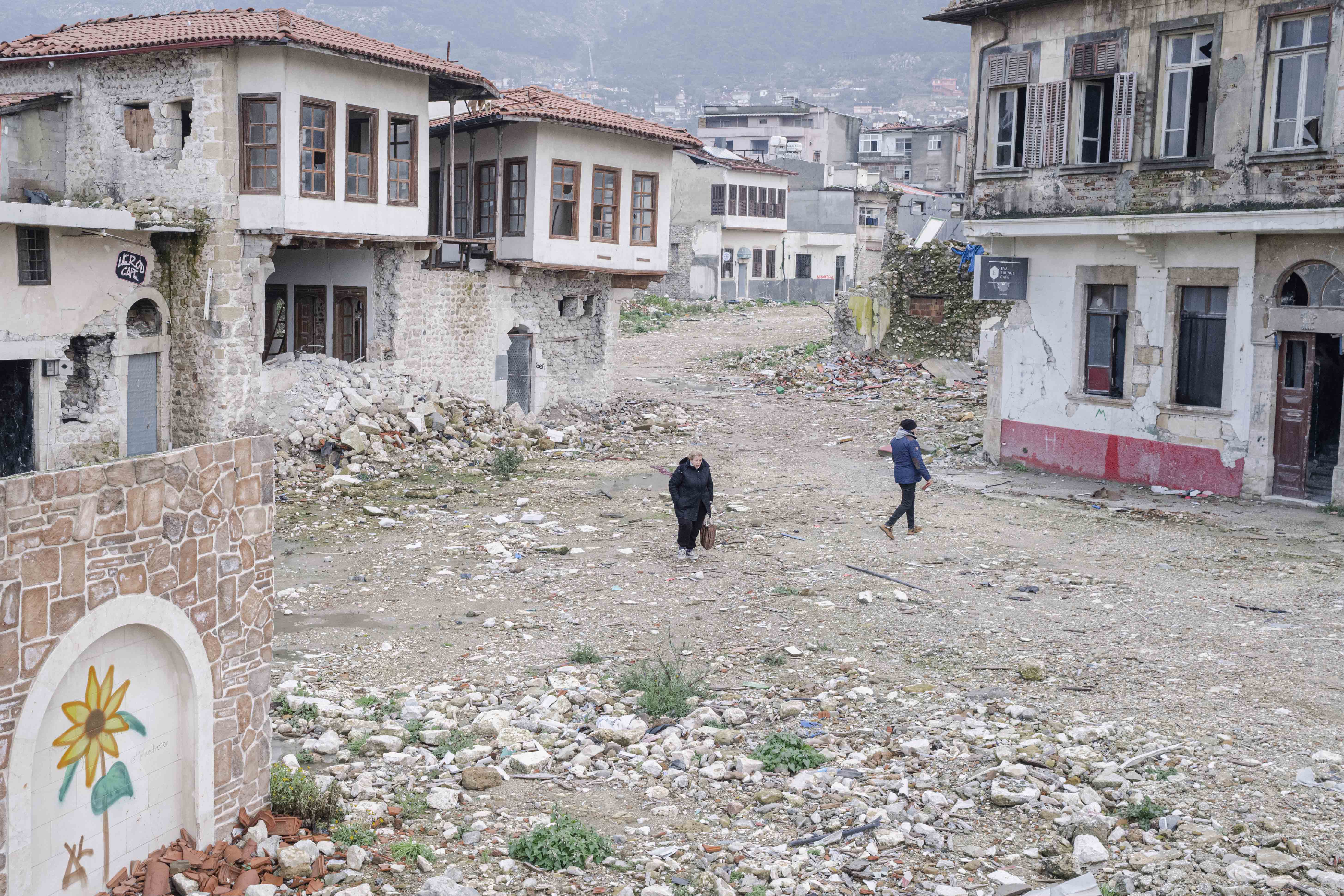
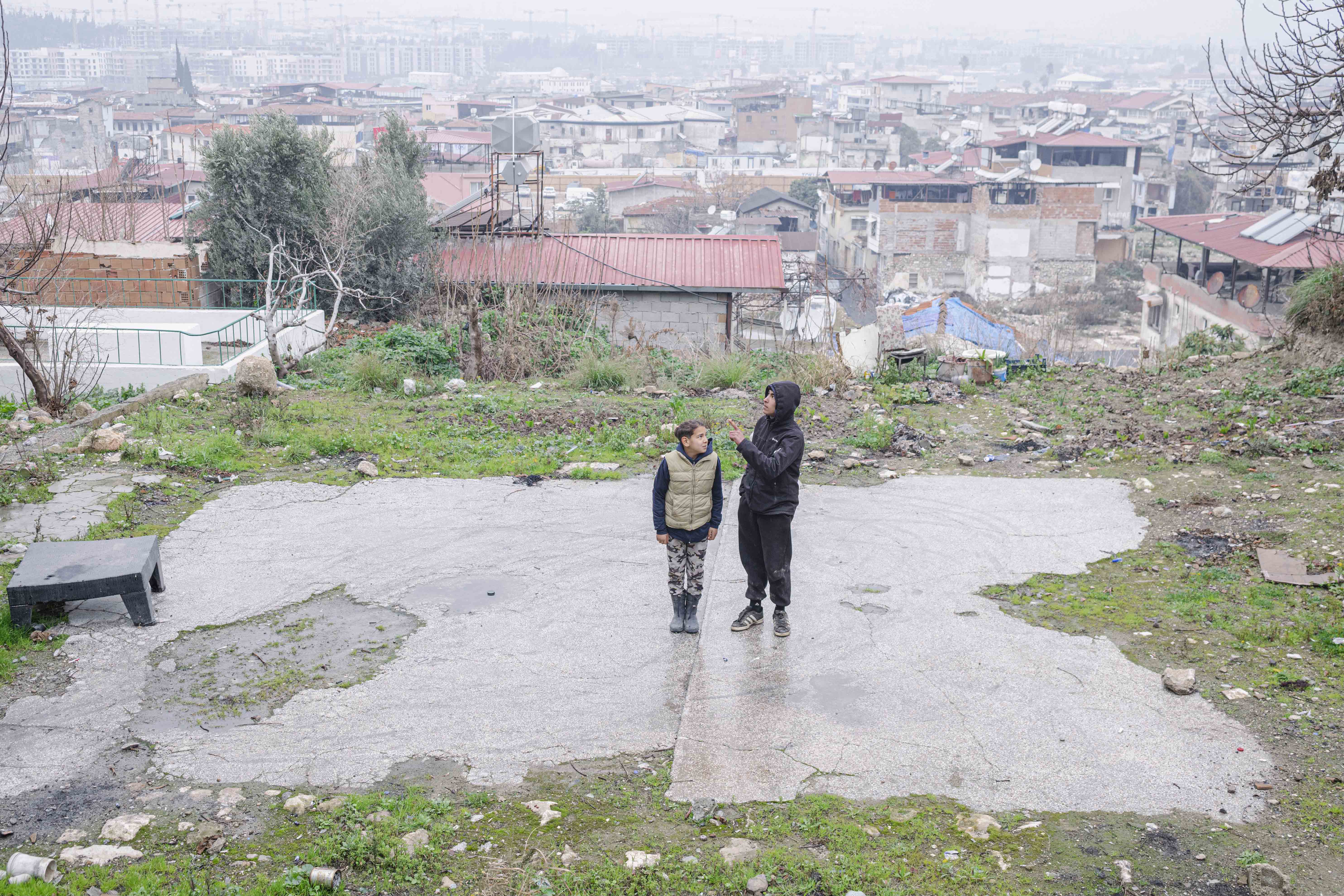
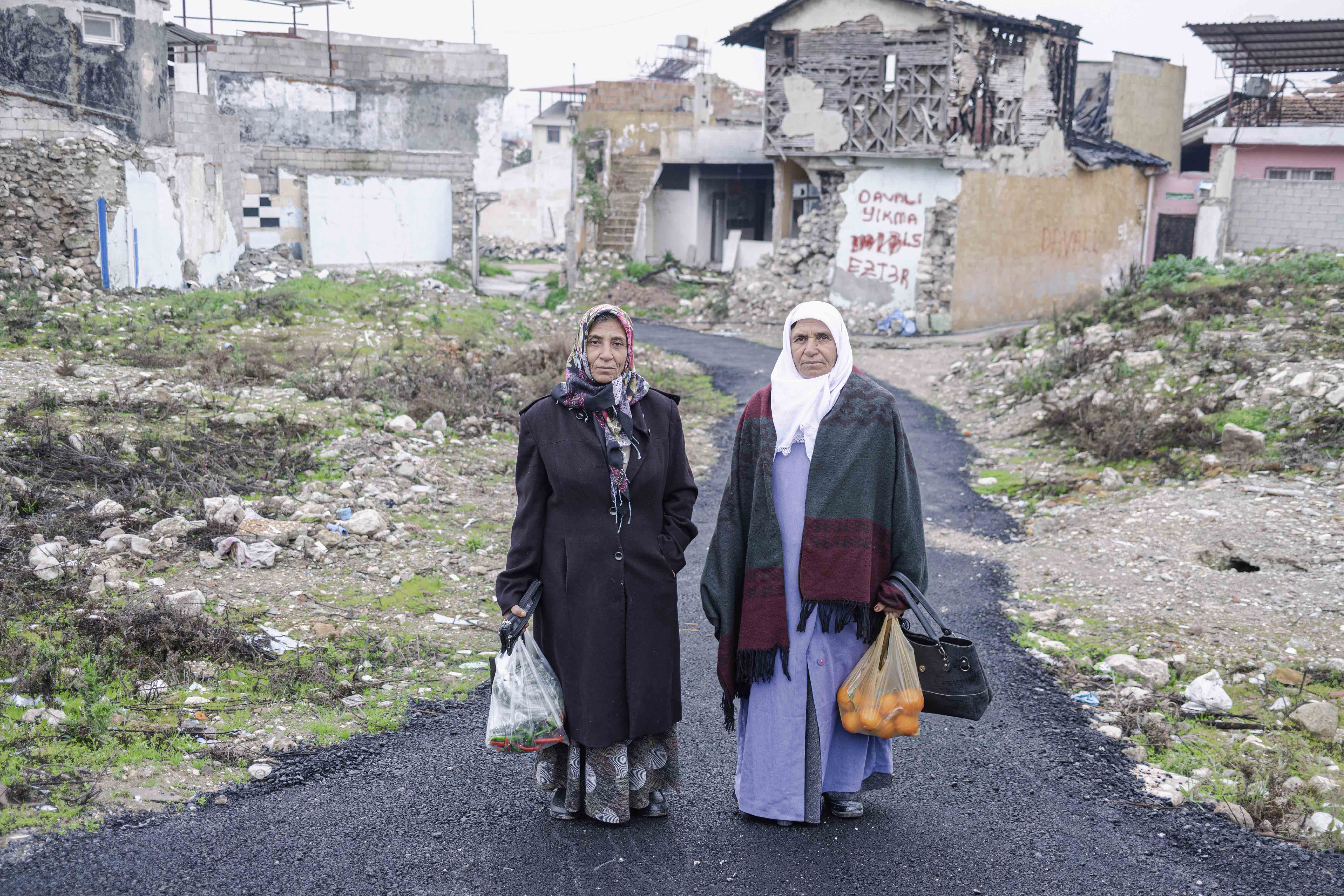
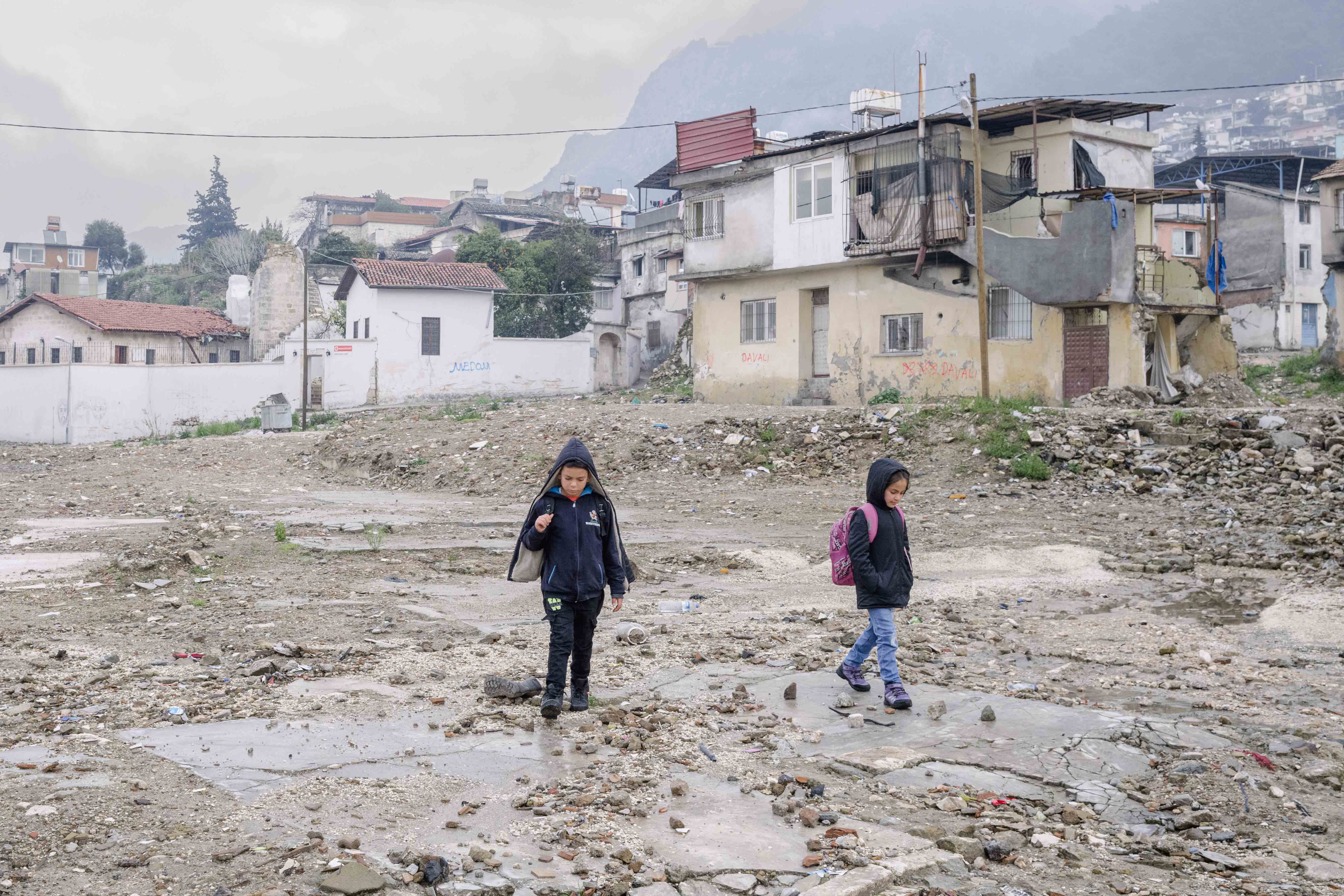
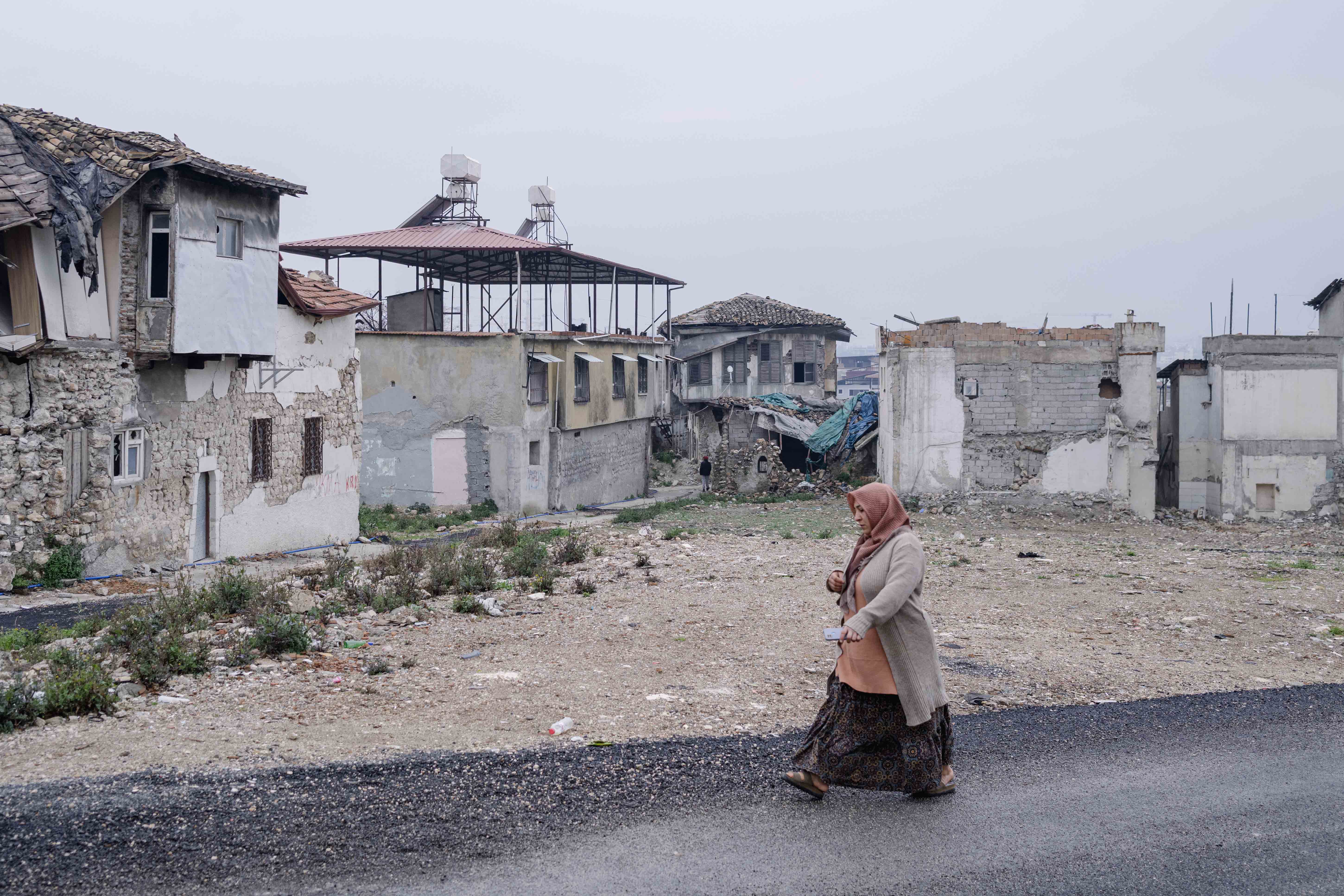
this photographic series was produced in dağ mahallesi, a neighborhood in the antakya district of hatay, one of the areas most heavily affected by the earthquakes. following the disaster, large parts of the neighborhood were evacuated due to extensive destruction; some areas were completely destroyed, while others remained partially standing but became uninhabitable. infrastructure, public services, and the social networks that sustain everyday life largely collapsed, and the continuity of the neighborhood fabric was disrupted.
the individuals depicted in the photographs move through streets they once used regularly routes they walked while going to work or school, visiting neighbors, shopping, or returning home; spaces once filled with greetings, voices, and the constant movement of daily life. today, these places are largely unrecognizable, fragmented, and overwhelmingly empty. homes, shops, and public spaces have been replaced by rubble, vacant lots, and partially standing structures. what remains familiar is only a sense of direction; the surrounding environment has been largely erased. people now traverse these former arteries of everyday life merely in passing, rather than as destinations to return.
(2024 and 2025)