karakızıl
a group of football-enthusiast students studying at ankara sultanisi, also known as the "stone school," rebelled after their physical education teacher refused to include them in the school football team. feeling excluded, the students decided to form a new team in response to their teacher’s discriminatory attitude. their first challenge was to find jerseys to wear during matches. according to some accounts, since the only available fabric the students could use at home was red and black calico, these colors became the official colors of their new team.
on march 14, 1923, the rebellious students of the stone school embarked on a journey that would last a century. the team they founded was named gençlerbirliği ("youth union"), and its story has since witnessed countless achievements in turkey’s football leagues.
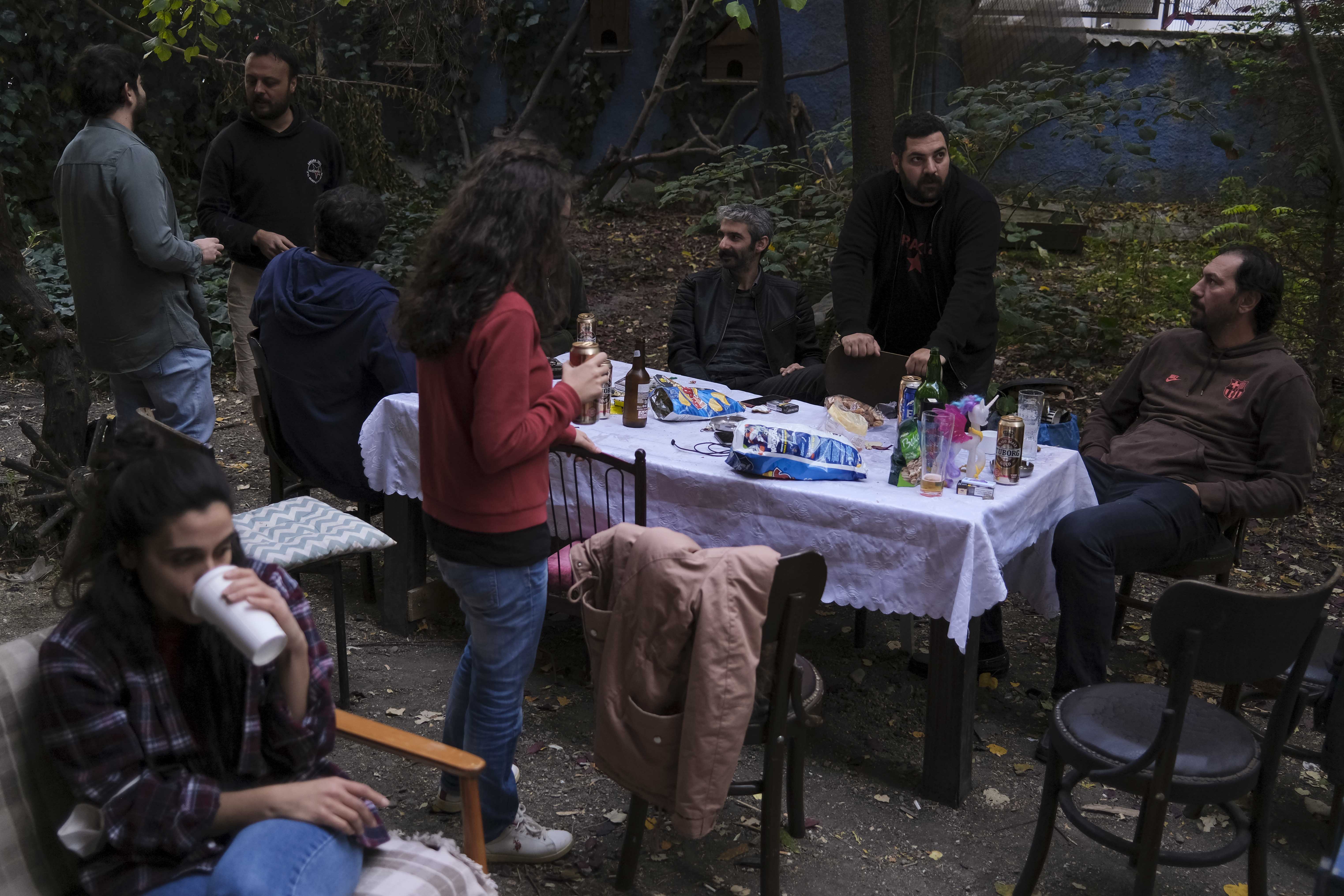
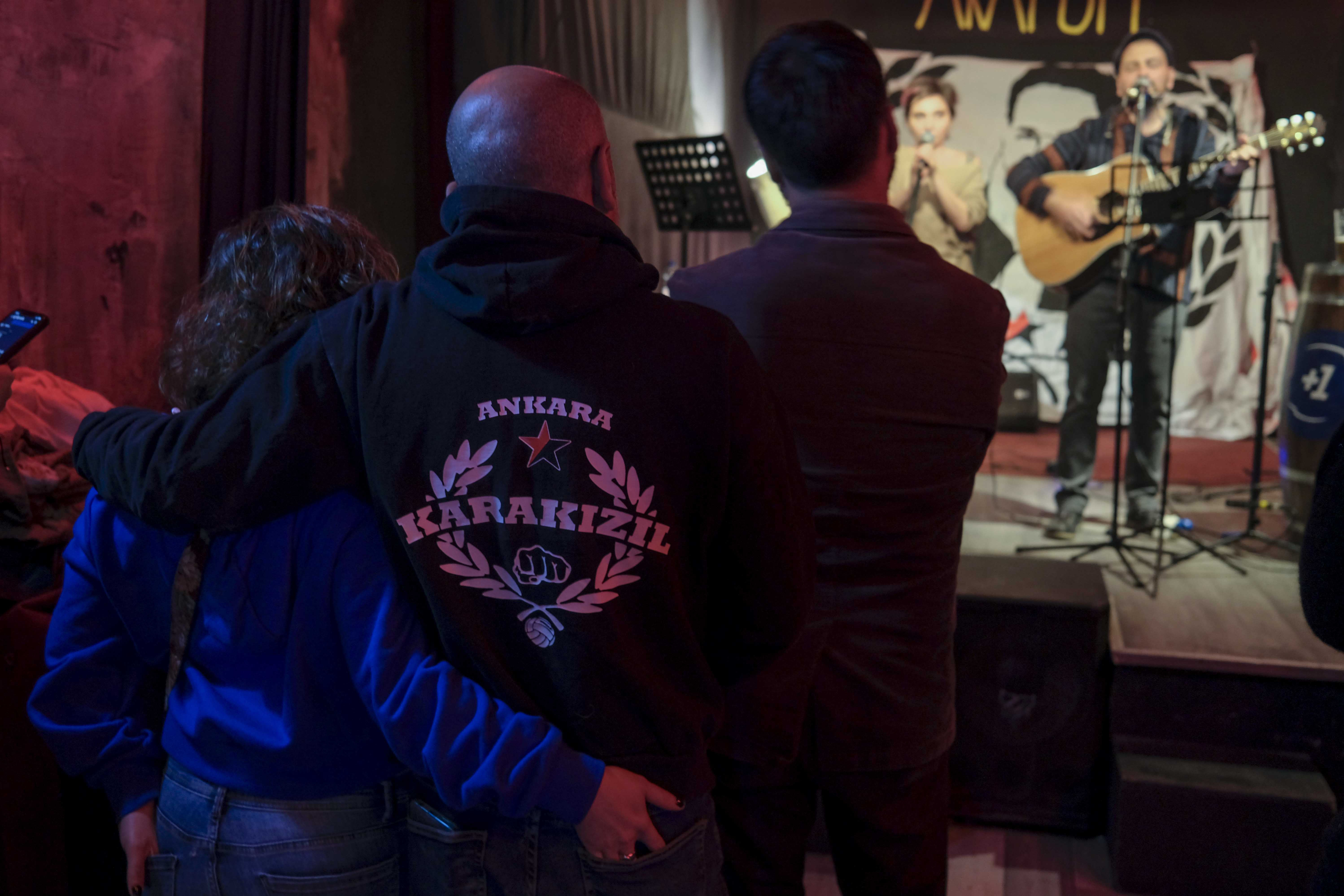
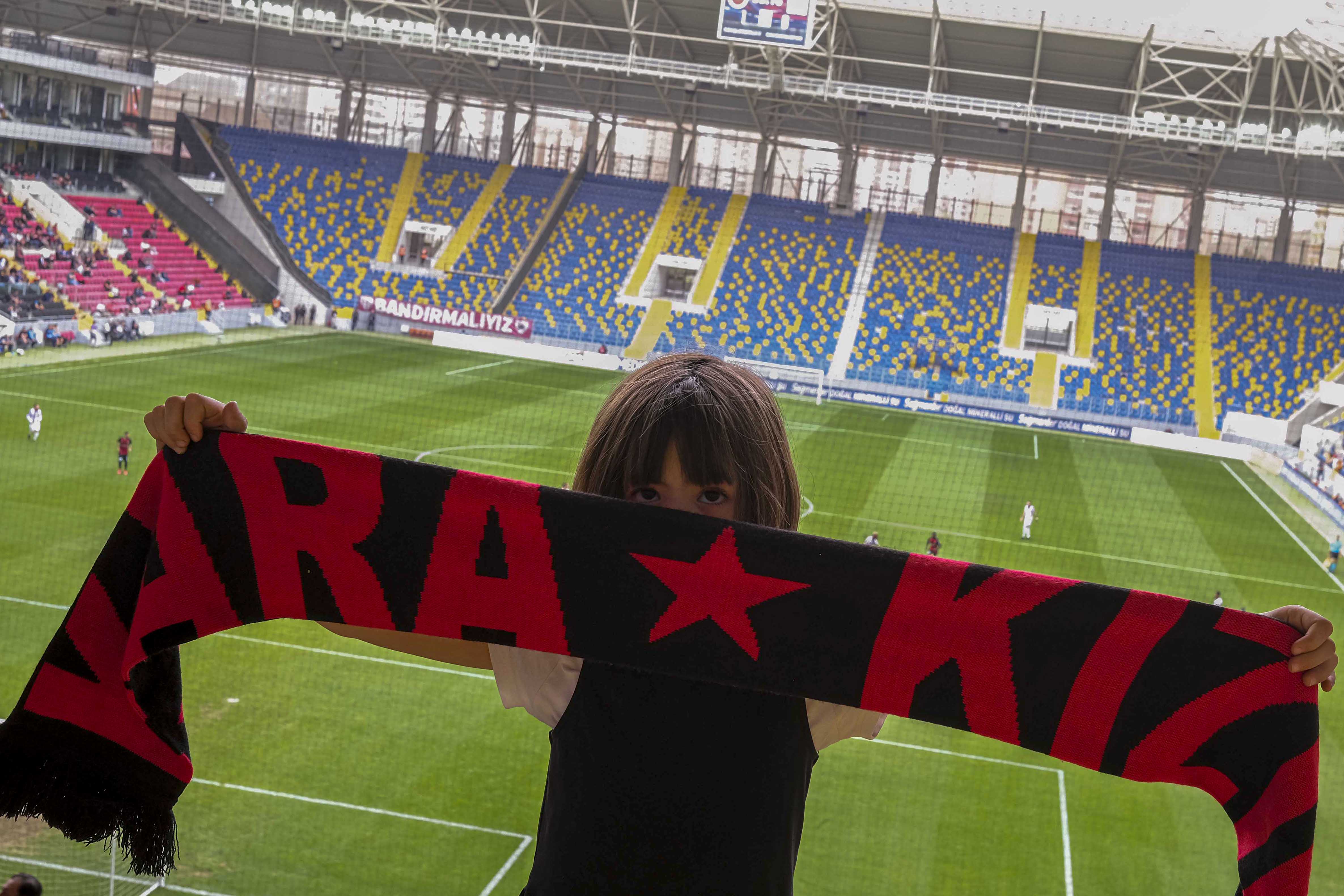
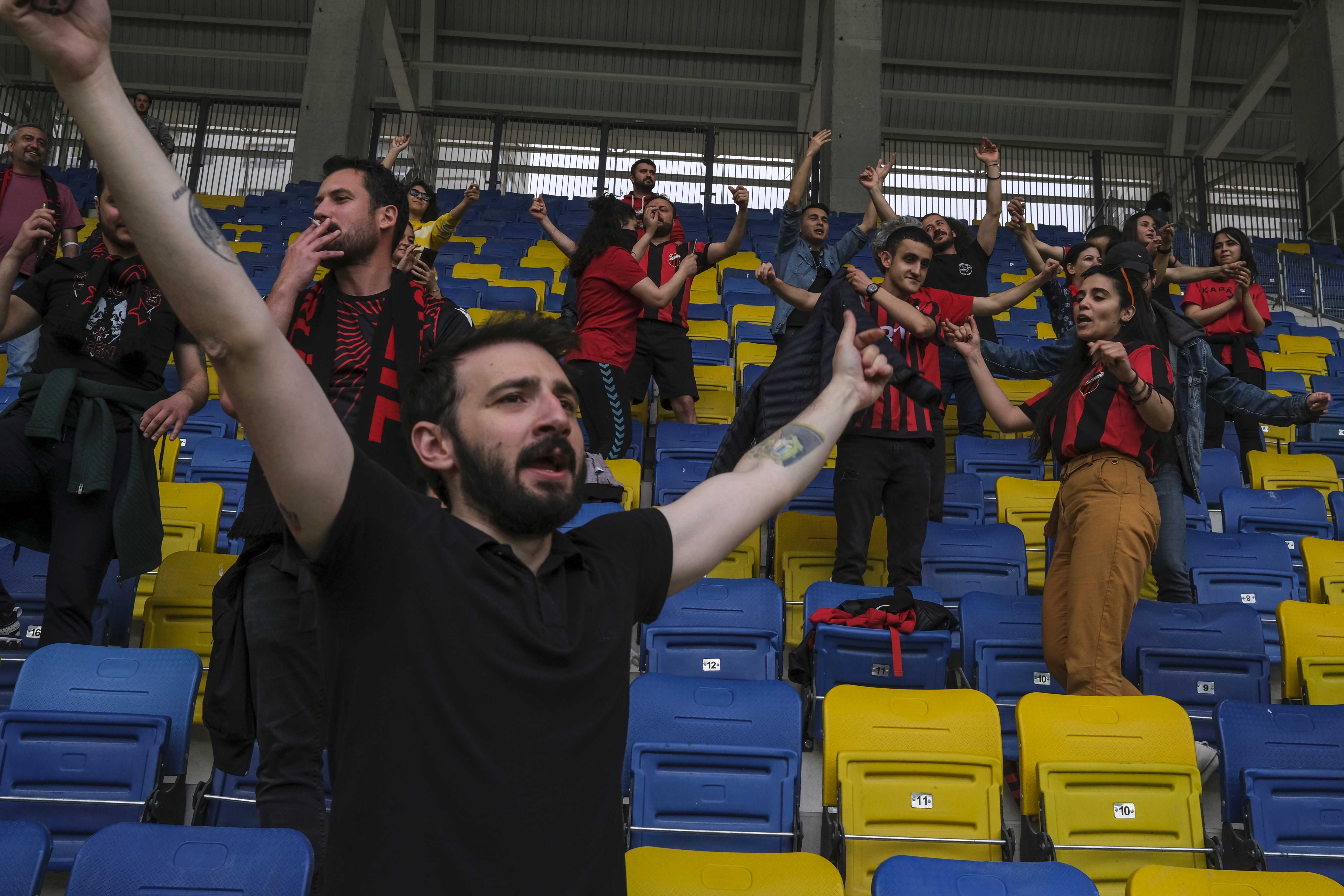
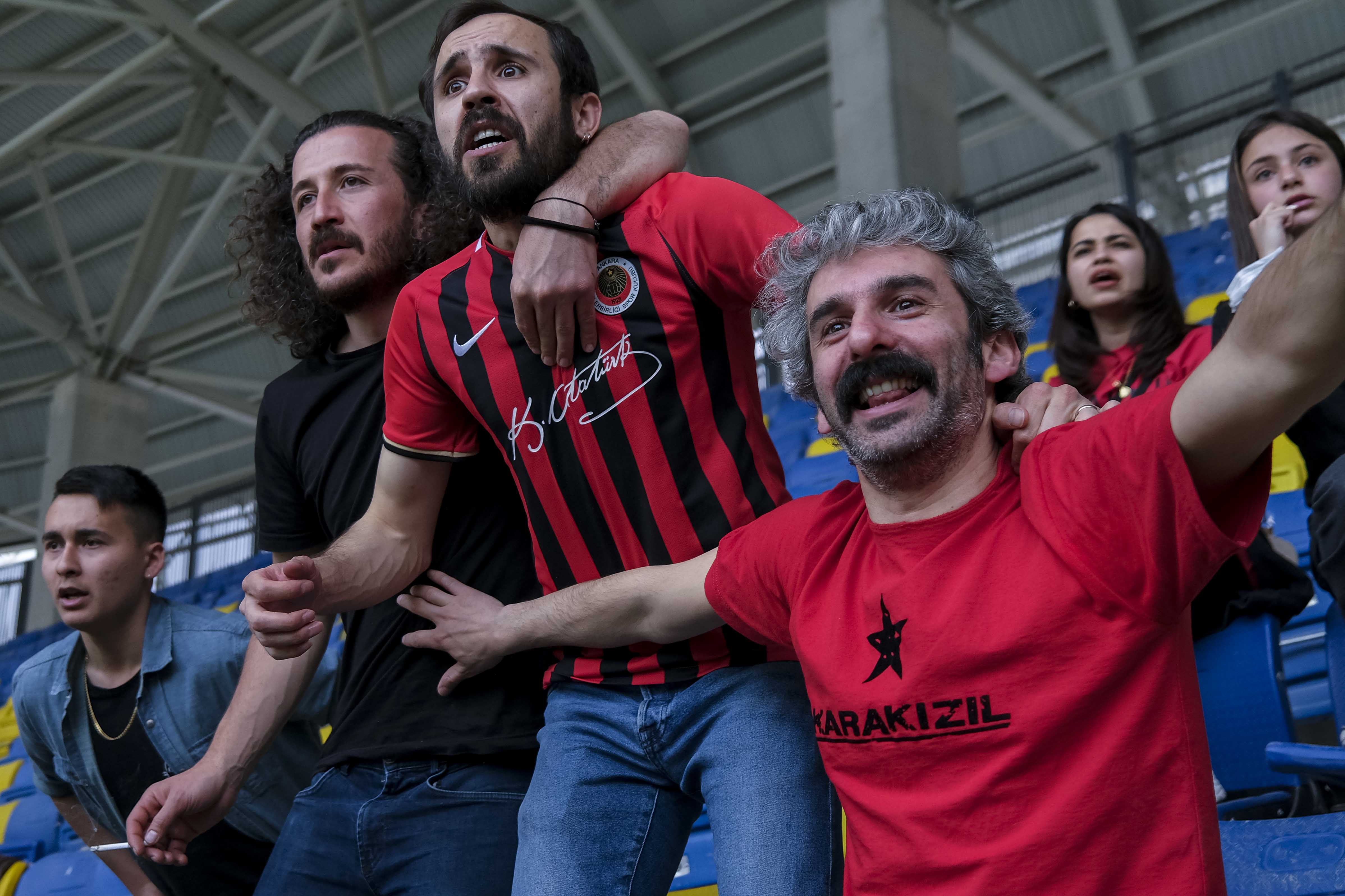
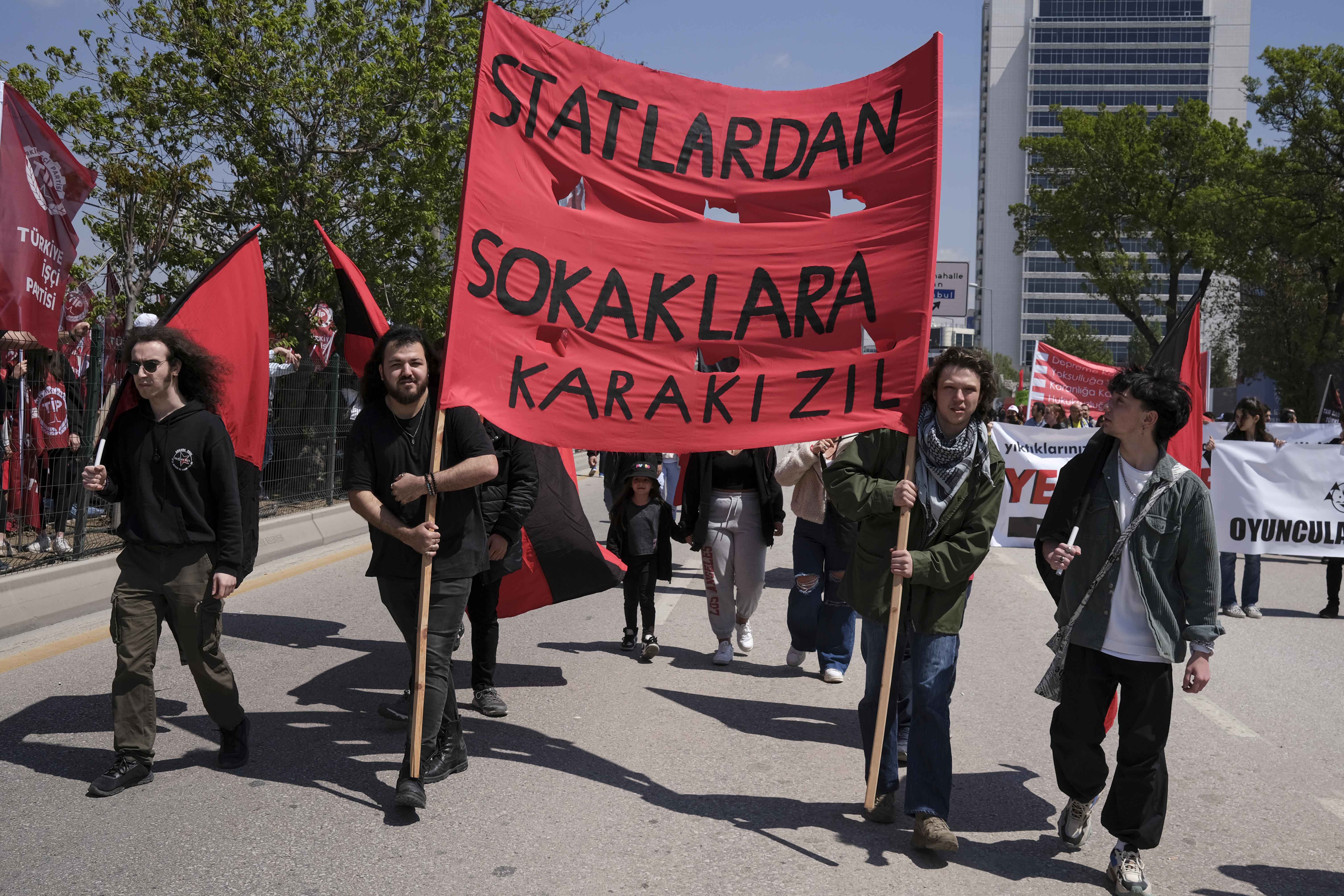
a similar origin story can be found in the club’s supporter group, karakızıl. the name, derived from gençlerbirliği’s black ("kara") and red ("kızıl") colors, emerged in the early 2000s from a solidarity movement rooted in a cafeteria resistance at middle east technical university (metu). this spirit of resistance carried over into the gençlerbirliği stands, where the group took shape under the name karakızıl. their main goal was to bring together like-minded individuals and the broader social opposition within the stands to turn the stadium into a place where voices of dissent from the streets could unite.
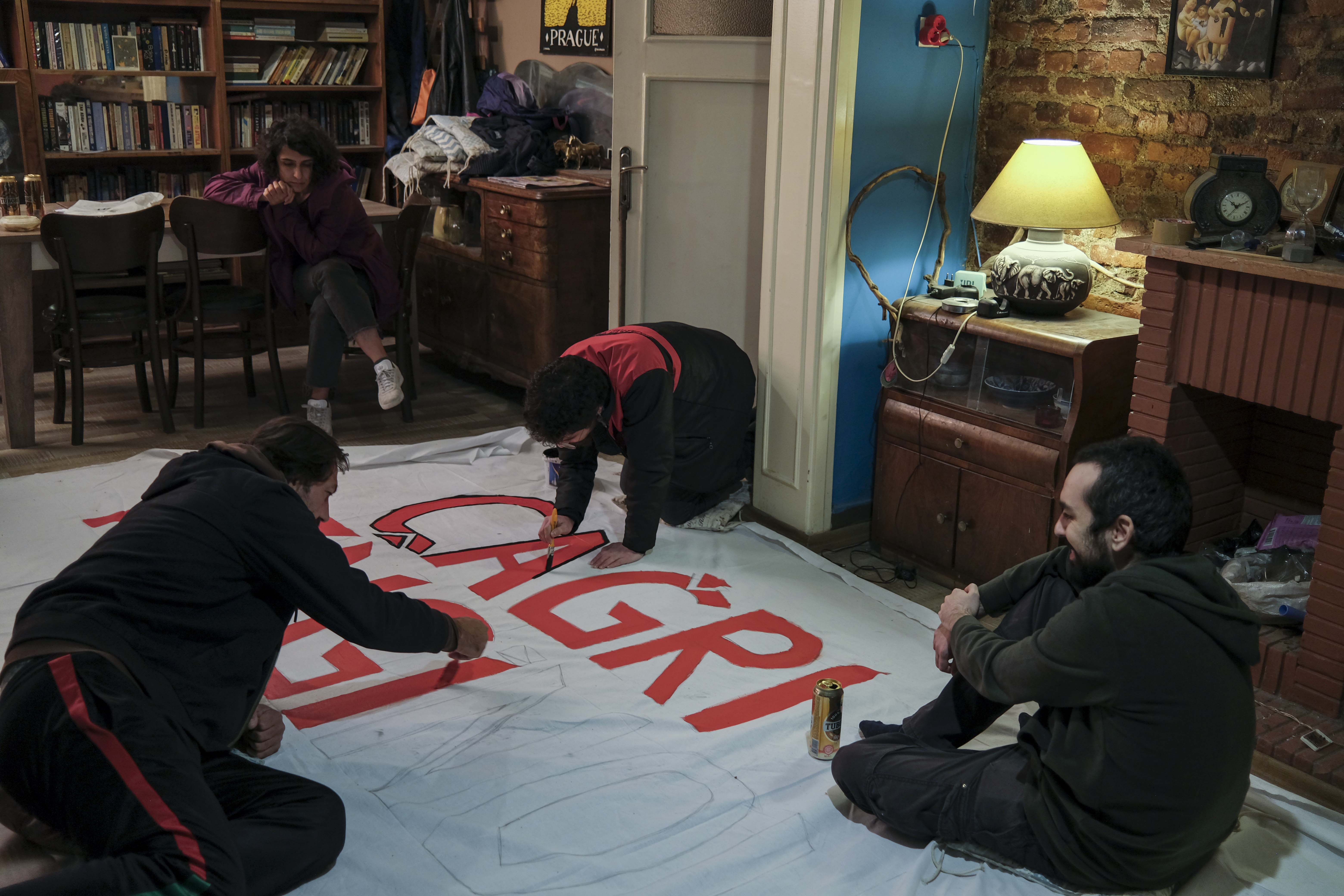
the group mainly consists of anarchists, socialists, and communists. beyond the stands, karakızıl has consistently taken a stance on social issues, standing alongside the rising voices of opposition in turkey. from supporting workers and showing solidarity with kurdish people and other marginalized groups to backing teachers’ protests and lawyers’ resistance wherever state violence intensifies, karakızıl is there. their most resonant period came during the gezi resistance, one of turkey’s largest mass protests.
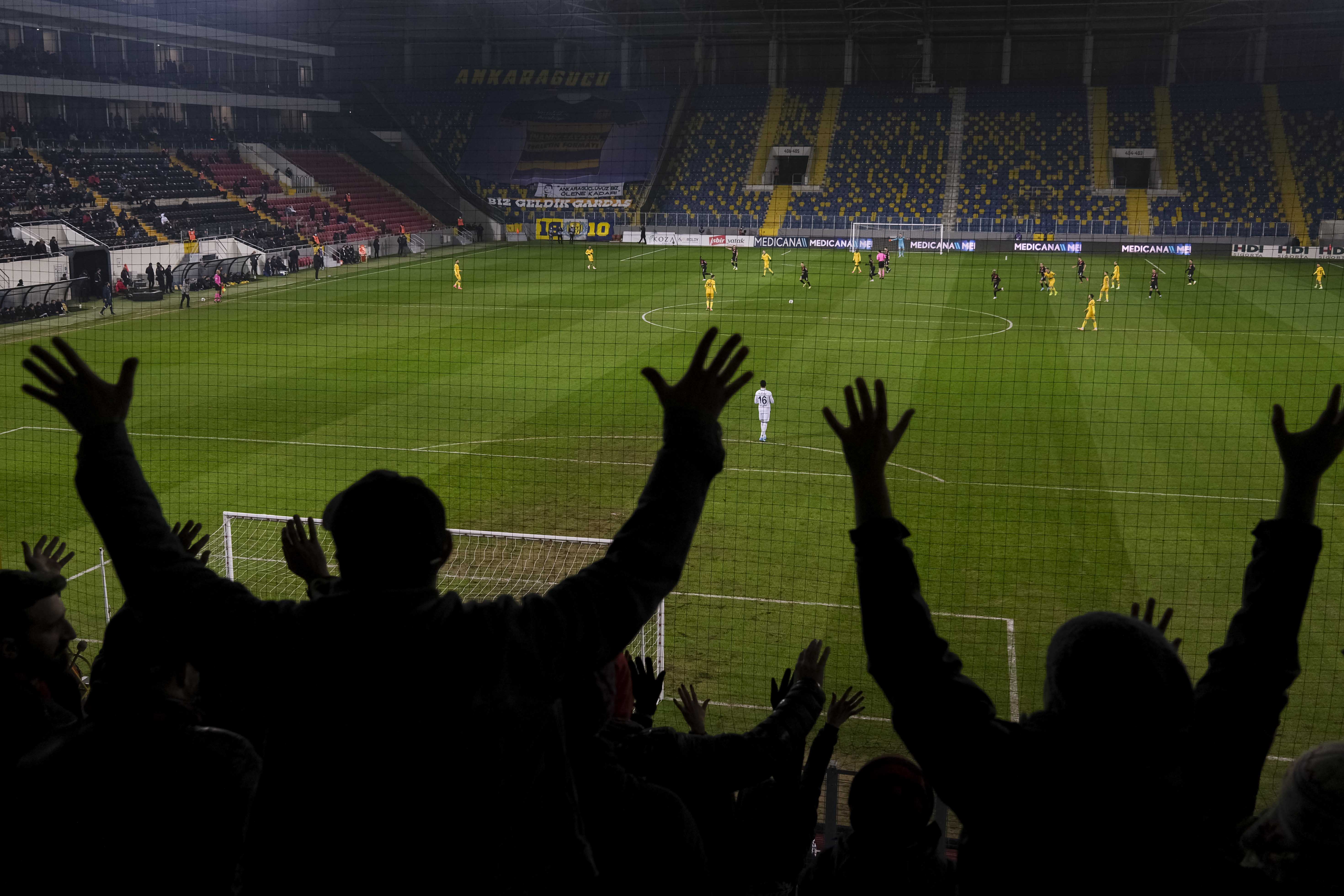
during this time, the government introduced the passolig system in stadiums a measure widely seen as an attempt to suppress dissenting voices and identities. in protest, karakızıl called for a stadium boycott and, demonstrating remarkable persistence, stayed out of the stands for seven years. upon returning, the group has continued to respond to current events, remaining faithful to its founding principles both in the stands and on the streets.
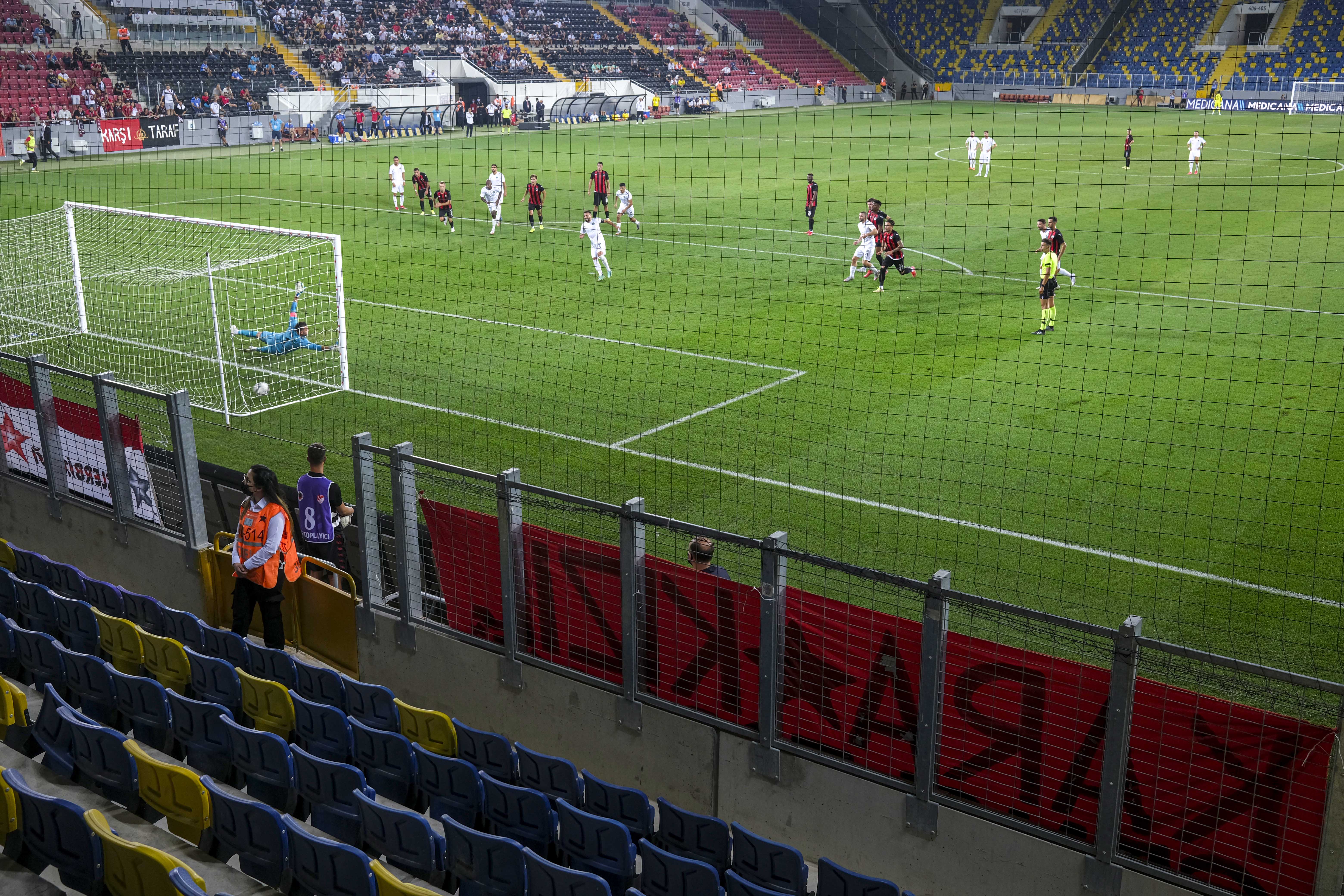
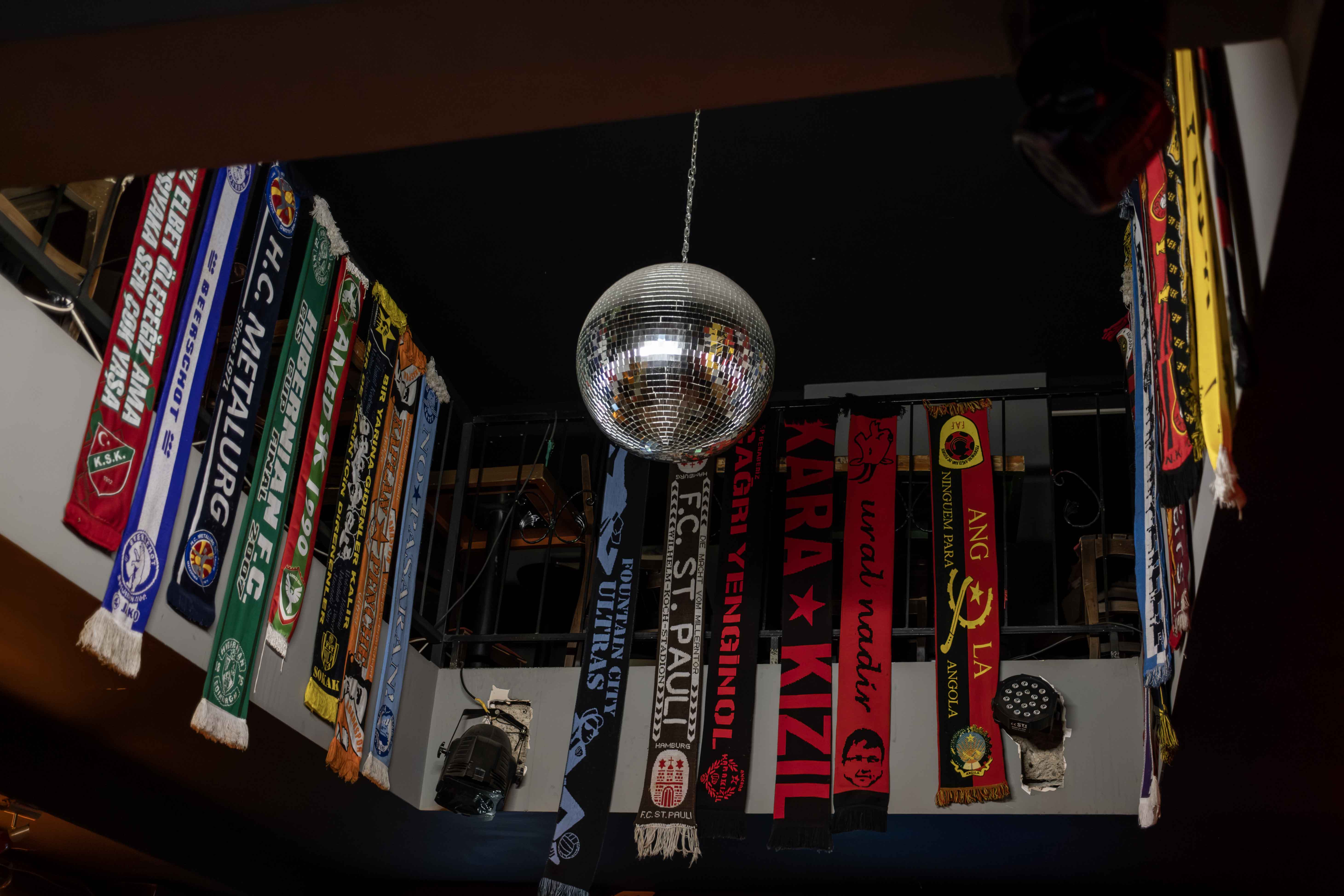
today, although karakızıl’s numbers in the stands may be small, they maintain strong solidarity with many opposition supporter groups across turkey and around the world.
(between 2021 and 2025)